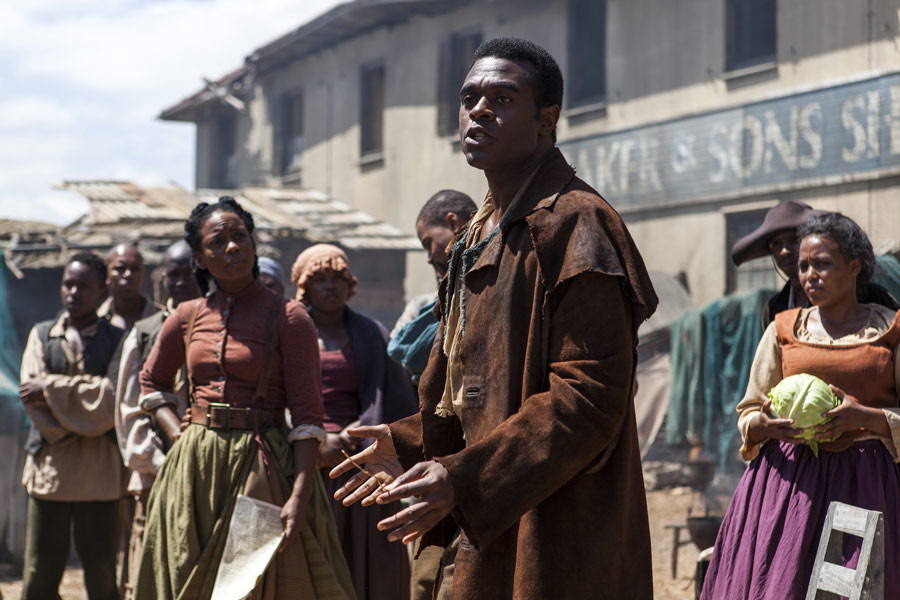
In this piece, I took a close look at Lawrence Hill’s The Book of Negroes, focusing on how different forms and uses of languages capture, shape and bring to life our memories. I used comparative analysis and explored different themes to understand how language not only record our human experiences and emotions but also enrich our understanding of storytelling itself. Essentially, it’s a deep dive into how words play a crucial role in shaping the stories we tell.
This essay was produced during my final year at the University of Waterloo, undertaken as part of Professor Winfried Siemerling’s Black Canadian Writing course.
Lawrence Hill’s The Book of Negroes was by far one of the most poignant, highly informative and deeply thought-provoking stories I have read. This book stood out as one of the most impactful reads in my experience. Reflecting on it, I felt compelled to write an article that explores how the novel uses language and dialogue not just to tell a story, but to shape a better society. It invites us to reconsider history and recognize the depth and humanity of Black Canadians, who are so much more than “slaves in a history book”, as would put it.
Language is pivotal in all aspects of life, from facilitating communication and understanding to enabling manipulation through linguistic tactics. It also acts as a social marker, influencing how society labels individuals based on their speech. In literature, language is essential in establishing conventions, forms and genres of texts. Ultimately, it shapes self-perception, worldview, and historical interpretation. This essay explores Laurence Hill’s 2007 novel, The Book of Negroes, focusing on language’s use to fight greater causes. The novel follows Aminata Diallo’s journey from her abduction in Africa, enslavement in South Carolina, her escape to Halifax, return to Africa, and her travel to London where she writes her story. The novel’s title, referencing a historical document, contains a word now considered offensive in English. This highlights the profound impact that language choices can have on people and narratives, exploring themes of identity, belonging, and community. This essay questions how Hill’s use of language is a tool to transform history, shape perceptions, and reflect broader societal views.
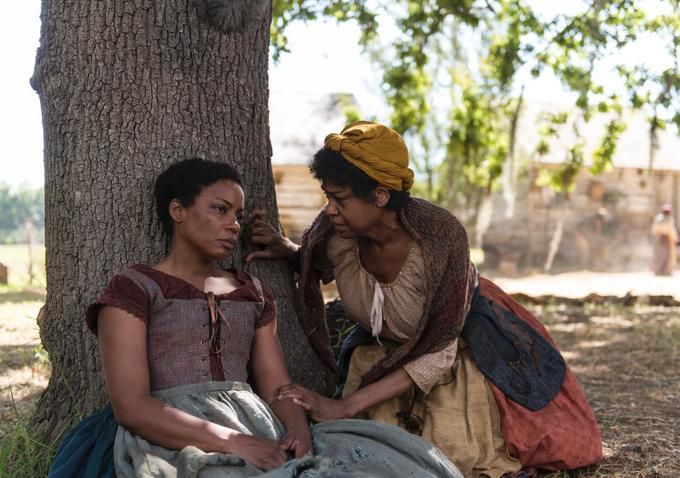
The Book of Negroes, a neo-slave narrative and fictional autobiography, uses language powerfully to challenge traditional storytelling. This blending of history with fiction creates a humanistic story from the imagined life of Aminata Diallo. As scholar Gregor Benedikt Pudzich argues in Rewriting the Past, Pluralizing the Present: Renegotiating Canadianness in the Works of Dionne Brand, George Elliott Clarke, and Lawrence Hill, combining historical facts and changing perspectives underscore the intertwined nature of national and transnational histories in the black diaspora. In fact, by mixing genres, Hill innovatively disrupts narrative conventions: he re-educates readers on slavery’s history, reshapes modern racial perceptions, and reclaims his people’s history and glory.
Moreover, Aminata’s recollection also challenges language conventions. Aiming to dismantle the oppressive postcolonial system that shapes slave narratives, her intention to write her life account herself reflects the historical reality of white abolitionists controlling Black writing (“a black message in a white envelope”). Daria Tunca, member of the Center for Teaching and Research in Postcolonial Studies at the University of Liege, writes that, stories have an incredible power “not only in the decolonizing process, but also […] because […] there is no better way of controlling people than providing them your own version of who they are”, a saying which echoes with white abolitionists’ wish to pen slave narratives (The Power of a Singular Story: Narrating Africa and Its Diasporas 8). Aminata’s encounter with Dante, a black butler in London, further illustrates this, as he cannot speak with her to avoid “influencing” her thoughts: “They want your story to be pure. Straight from Africa” (454).
Read more: https://theodora-poulot.com/wp-content/uploads/2023/12/language-in-the-book-of-negroes-1.pdf
 プロテオドラ Theodora Poulot