A few months ago, I chose to volunteer my time and skills to Kyoto Journal, a non-profit quarterly magazine founded in 1986 that celebrates the culture of Kyoto and Asia at large. In doing so, I authored an article where I explore the origins of flavors commonly perceived as quintessentially Japanese, only to reveal their international roots.
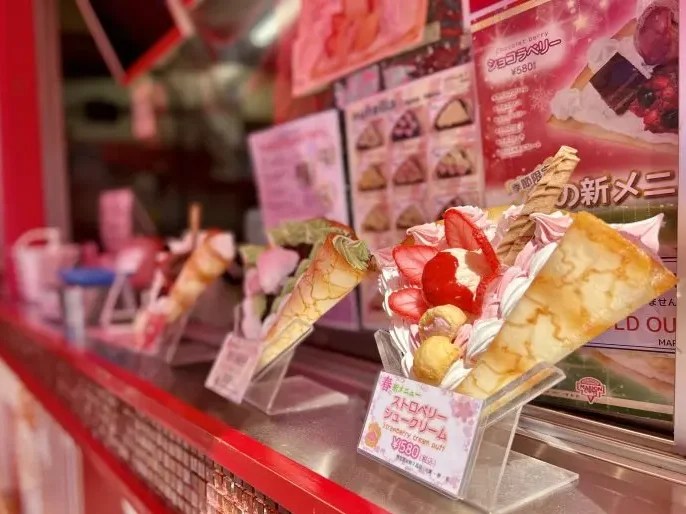
As the sun sets over the bustling streets of Harajuku, a queue begins to line up at the corner of a Japanese crêpe store, where hundreds of crêpes — displayed as in the way of Japanese fans — of all colors and tastes appeals to your senses, creating a striking visual symphony. There aren’t many places I’d rather be in the late afternoon to enjoy a traditional Japanese sweet.
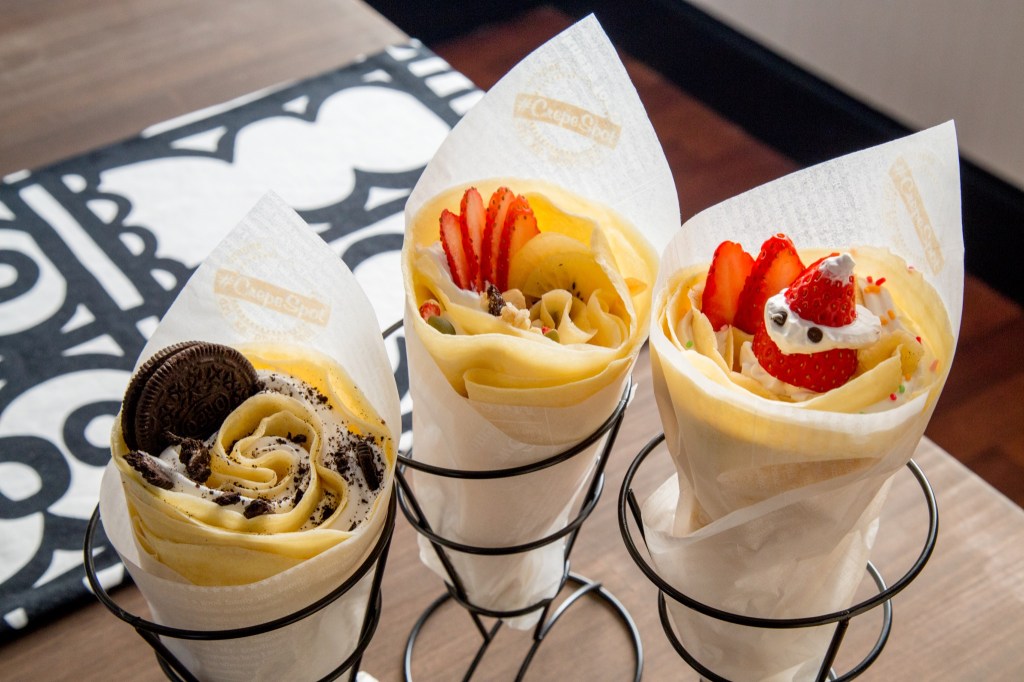
When admiring the thin pancake folded delicately into a cone shape and enriched with cream, fresh fruits, syrup; layered with matcha powder, caramel, whipped cream in a lush new variation on the timeless French crêpes, many of us might think of Japanese crêpes as a Nipponese specialty and it is hard to believe that they arrived in Japan less than 50 years ago.
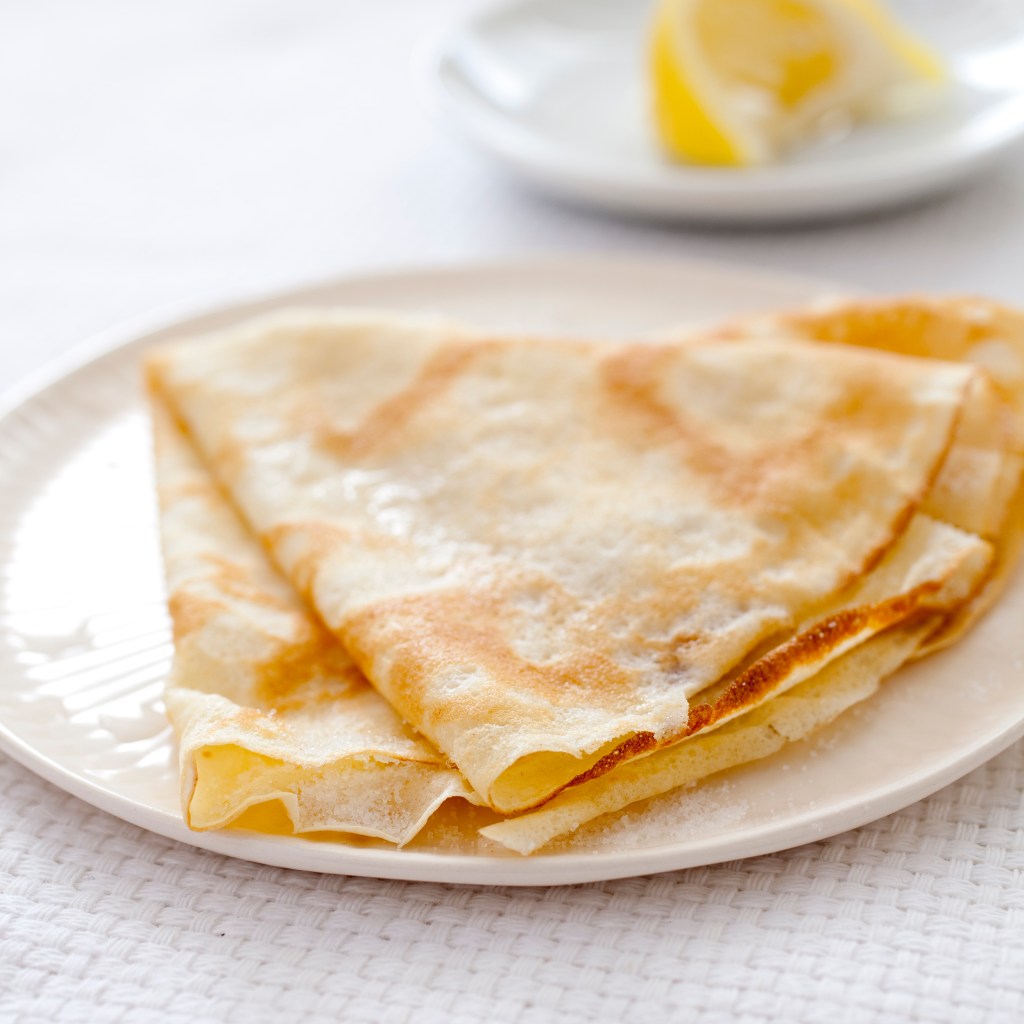
Originally, crêpes come from the Brittany region, in western France, where they were invented in the 13th century. Made of wheat flour, eggs and milk, they are traditionally consumed as a dessert or a snack. “Galettes de sarrasin” — their large, savory counterpart — are made with buckwheat and topped with various ingredients from ham, sausages, cheese, to eggs or vegetables.
It’s current 1976 that crêpes made their appearance in Takeshita Street, Tokyo, as Japan’s pioneer crêpe vendor Marion Crêpe opened. Though their popularity has grown enabling them to open other crêpe stands in the area, the one on Takeshita Street has almost become a sort of institution. The shop became a point de passage for many tourists coming to enjoy daily the delicacy which made its way into the Japanese culinary culture.
When it comes to fillings, and while French crepes tend to be served plain, with butter or filled with a sweet ingredient — sugar, jam or honey for the most part — Japanese crêpes have a broader variety of flavors, ranging from sweet to savory and including ice cream, curry, tuna, or pizza sauce. Some Harajuku classics are whipped cream and strawberry, chocolate and banana, ice cream, matcha green tea or custard.
Today, as those flavors have made their way into Japanese gastronomic customs, crêpes stand as a perfect example of fusion cuisine, a term used to describe the blending of ingredients from different cultures, challenging notions such as culinary tradition and origin.
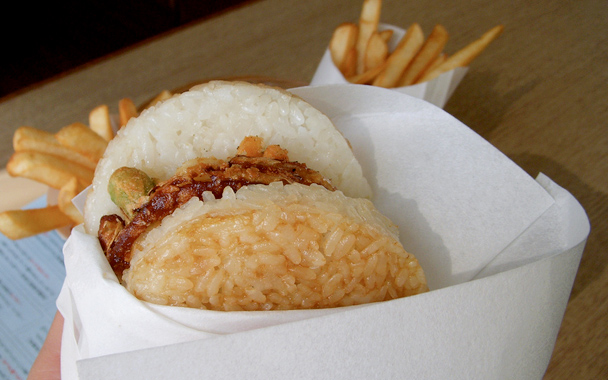
Another of the many joys of living in Japan is that you can easily grab a quick meal around the corner, and for a descent price. At nights, Mos Burger’s sign flashes on the pavement, inviting customers to try their infamous hot and homemade-like rice burger.
These two soft but crispy rice paddies slathered with either deep-fried mixed seafood tempura, barbequed meat, subtly seasoned with sauce and topped with fresh and crunchy cabbage, is a rather successful marriage between the American hamburger and Japanese flavors.
The traditional Japanese fast-food franchise first opened its doors in 1972, embarking on a culinary journey that would soon captivate taste buds across the Asia Pacific region. One of the other classics of Mos Burger’s menu lies in how it reinterpreted the classic BLT for Japanese palates.
In its two different variations (with or without bacon), the Tobikiri Hanbāgu Sand B.L.T. slice cheese subtly reinvents the American classic while fusing it with Japanese flavors.
At first glance, it looks like your typical, quick to make American sandwich, with its combination of crispy bacon, romaine lettuce and sliced tomatoes. But as soon as you bite into the lightly toasted buns, its acidity and crunchiness, enhanced by the juicy of the meats take center stage. Adding a burst of zest and a tantalizing burst of citrusy flair to the sandwich, Mos Burger’s original yuzu mayo sauce gracefully supplants the conventional mayonnaise.
And then there’s the matter of the bun. While the American BLT often finds its home between slices of plain white bread or lightly toasted, Mos Burger takes a different route, opting for a soft and delicately toasted bun.
Speaking of bread, have you ever visited a Japanese bakery? Well, apart from being very neat and eco-friendly (because, really, who needs that many plastic bags?) you’ll find many types of breads that seem peculiar to Japan but which actually incorporate ingredients from different parts of the world.
Take, for instance, Kare pan, also known as Curry Bread. It’s basically Japanese curry sauce encased in a crispy, deep-fried soft bread lightly covered in panko breadcrumbs. And it’s best served hot!
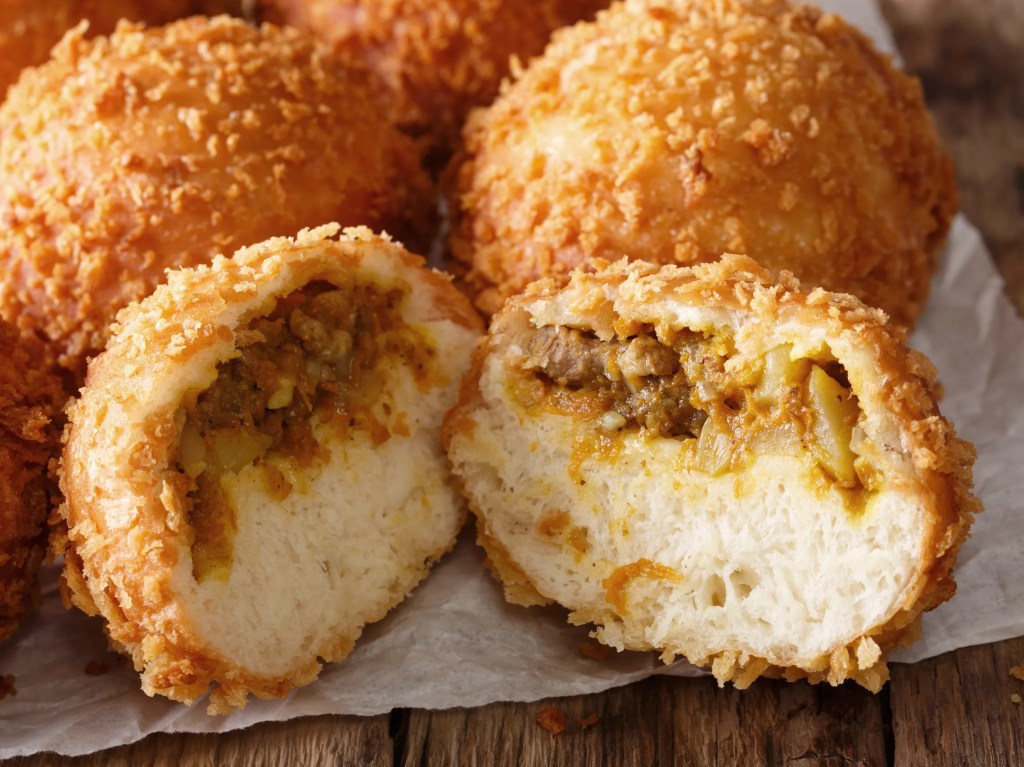
Japanese curry, which generally consists of sauce mixed with vegetables and meat, was brought to Japan from India by the British during the Meiji period (1868–1912) and stands as a real testament to the transcontinental culinary exchanges that have shaped the Japanese gastronomic landscape. And when it comes to Kare pan, its origins trace back to 1927, when the visionary owner of Tokyo’s Cattlea bakery had the audacious idea to deep-fry Japanese curry, and remarkably, the recipe hasn’t changed for 96 years.
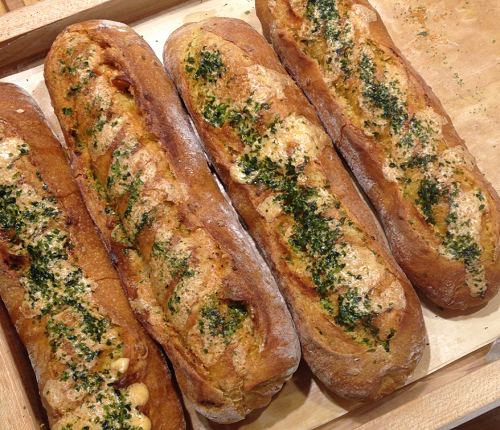
Now, let’s talk about the Japanese baguette. Even though this one bears evident French origins, it’s generally remixed the Japanese way: sliced in half and adorned with a medley of sauces, cheeses, and vegetables or filled with sweeter creams. The bread itself tends to be softer rather than crusty, aligning with Japanese preferences for more subtle flavors.
Ankopan, a beloved staple in Japanese bakeries, mixes Japanese ancient sweet paste anko (red bean paste) and Western butter, demonstrating the interesting crossovers between the two geographical regions.
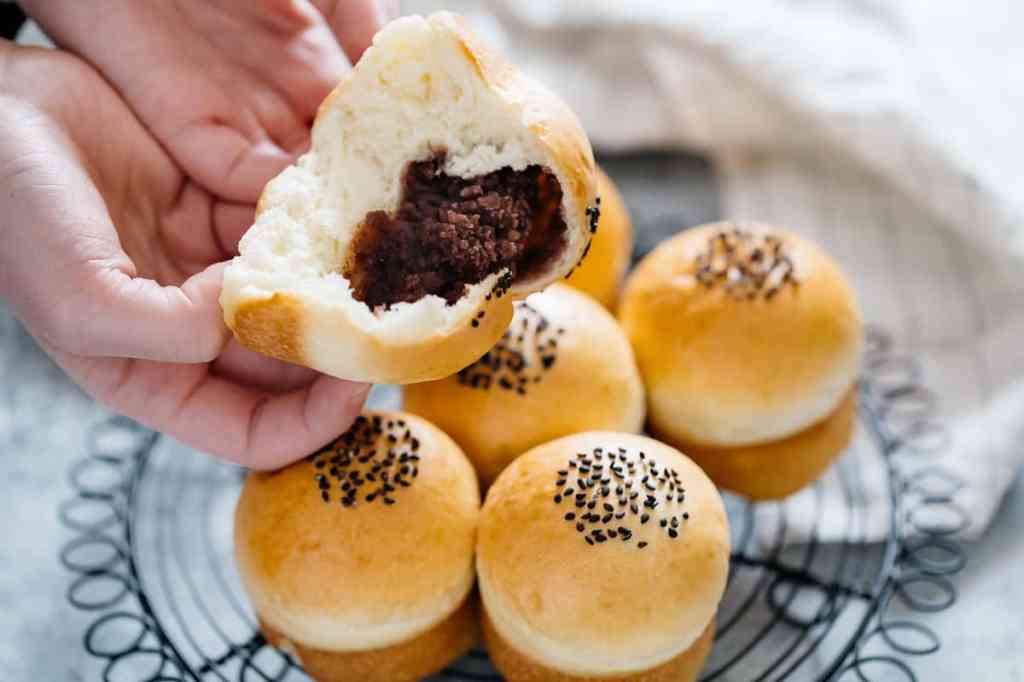
The sweet consists of a small soft round bun, filled with a velvety and rich filling of sweet red bean paste known as anko. But it doesn’t stop there. The creamy, buttery slice, mixed to the sweet anko filling creates a sensory experience that’s both comforting and delectable.
Read the 106 issue here!
 プロテオドラ Theodora Poulot