South Korea-born painter Park Seo-Bo’s (1931–2023) collaboration with Louis Vuitton has once again brought the seminal figure to the art and fashion worlds’ attention.

This new collaboration isn’t Park and Louis Vuitton’s first partnership—before his passing in 2023, Park worked with the brand on the ArtyCapucines Collection in 2022. This edition, which was showcased at Louis Vuitton Maison Seoul from November 8 to 24 2022, featured reimagined Capucines bags by artists Daniel Buren, Ugo Rondinone, Peter Marino, Kennedy Yanko, Amélie Bertrand, and Park Seo-Bo himself.
Often referred to as “the father of modern Korean art,” Park Seo-Bo played a key role in transforming Korean art from traditional forms to a more avant-garde exploration of the boundaries between painting and philosophy.
He was a founding figure of Dansaekhwa, a movement that emerged in the early 1970s in postwar Korea and is often translated as “monochrome painting.” Dansaekhwa is characterized by its blend of Korean spiritual philosophy and Western abstract aesthetics, minimalist approach, subdued color palettes, and meditative, repetitive techniques.
Artists in the movement emphasize the materiality of the canvas and the act of creation itself, often using laborious processes that reflect a deep, almost ritualistic engagement with the surface.
In the early 1950s, at the beginning of his career, Park moved away from figurative representation and the conventional painting techniques of the time. He embraced a more primal aesthetic, often using dark, somber tones, as a way of processing the aftermath of war while Korean society struggled to piece itself back together. By the late 1960s, he sought to create an entirely new kind of art. Having moved beyond the fervor of the avant-garde movement, he entered a transformative phase that would lead, in the 1970s, to the development of his seminal Écriture series. These works are characterized by monochrome canvases, usually white, on which the artist inscribed fine, repetitive, almost meditative lines using pencils or brushes. These lines create a hypnotic effect, inviting the viewer into a state of introspection.
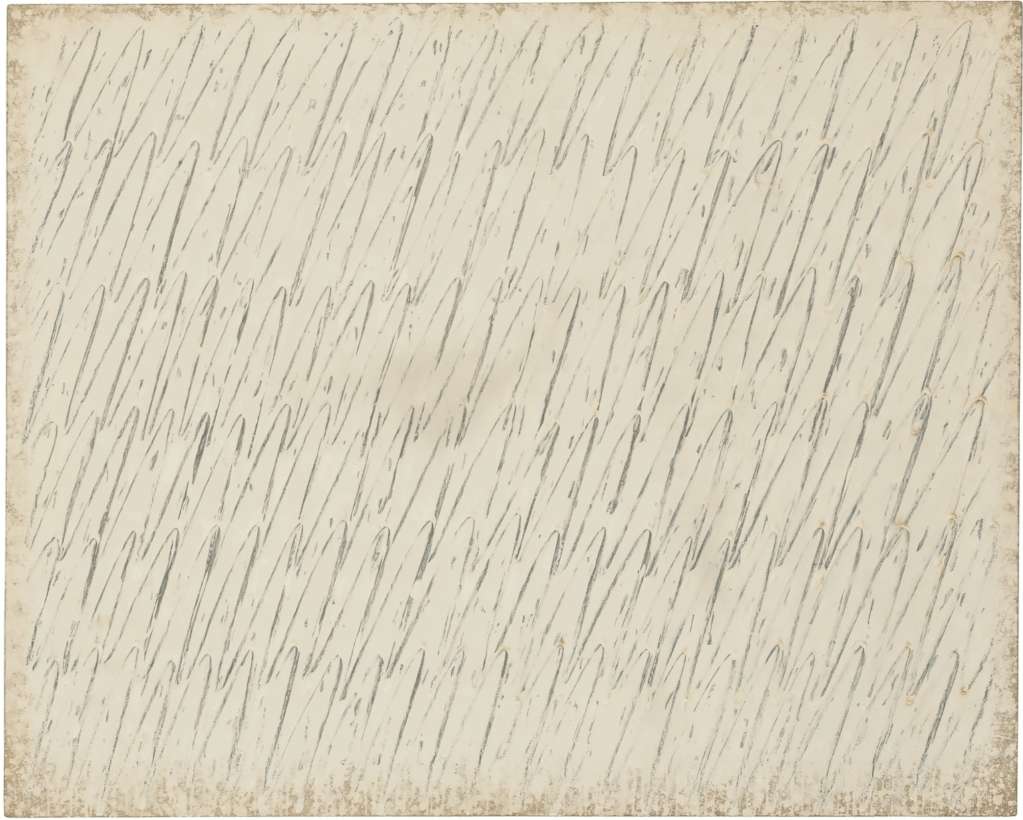
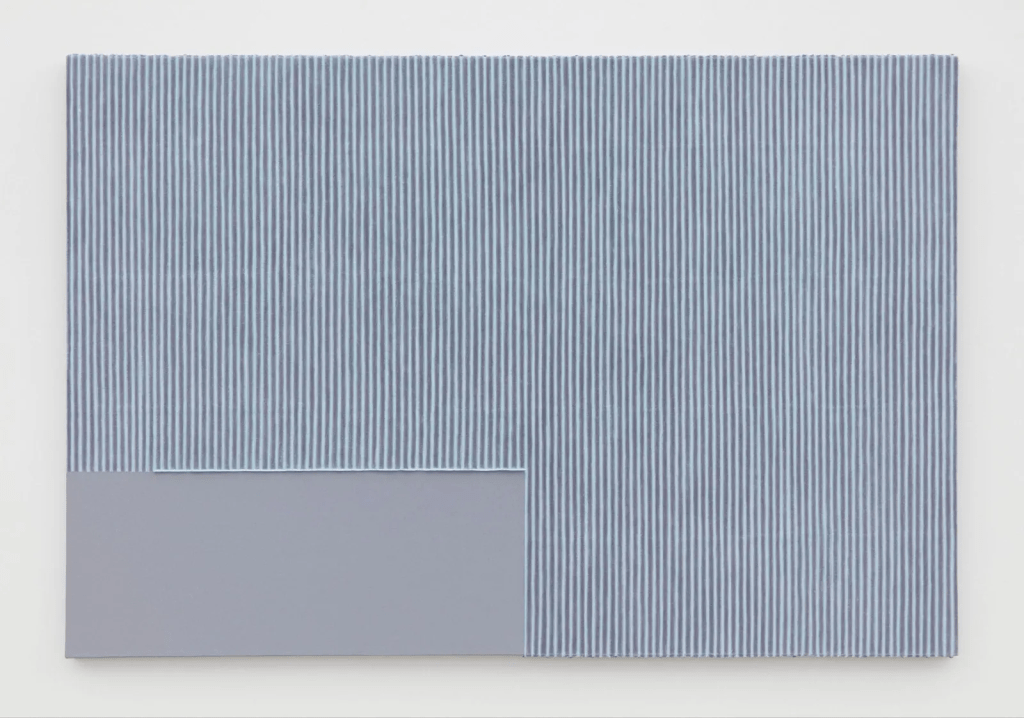
Park defined Dansaekhwa as embodying “the purposelessness of an action, endless repetition, and the spiritual transformation of materials through the act of creation.” His Écriture series is deeply rooted in these ideas. Though its form has evolved over five decades, the series consistently reflects Park’s philosophy of “emptying” the mind and “receiving” meaning through the creative process.
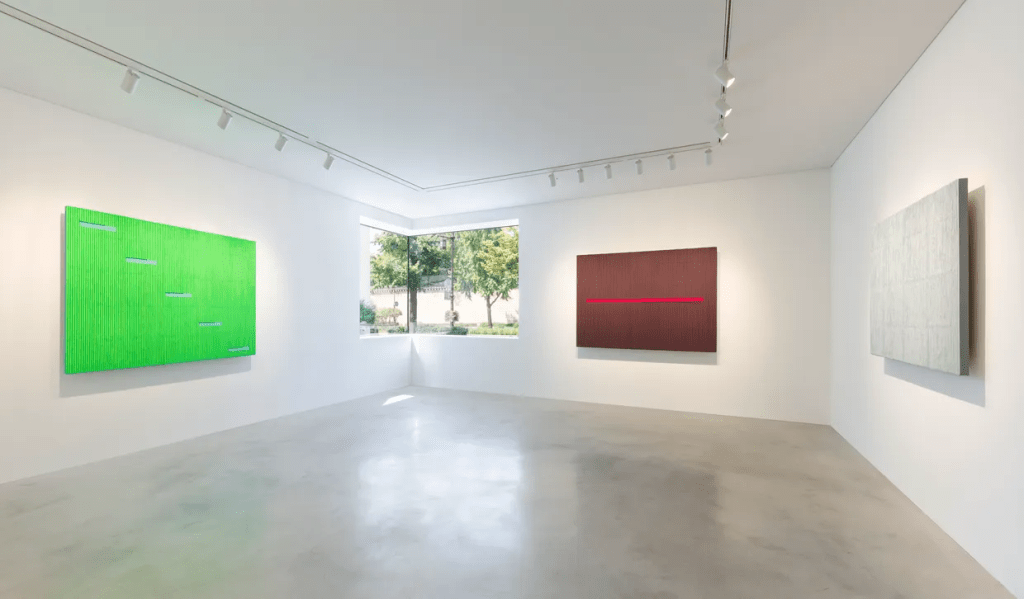
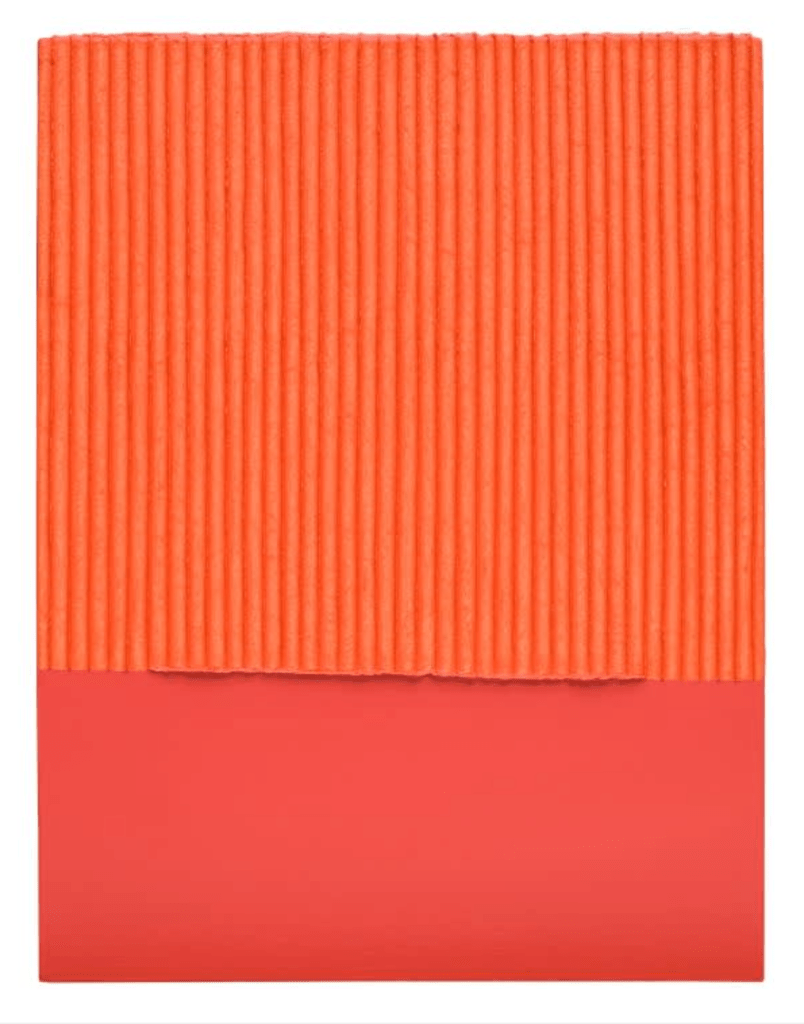
For the 2022 Capucines collaboration, the work that was chosen showcased the vibrant red tones of autumn maple leaves. It is a piece that marked a pivotal moment in Park Seo-Bo’s artistic journey. In the fall of 2000, facing a creative crisis, Park found solace and renewal in the fiery colors of the autumn leaves. This experience inspired the development of “Color Écriture,” a new direction where he infused his work with the hues of nature.
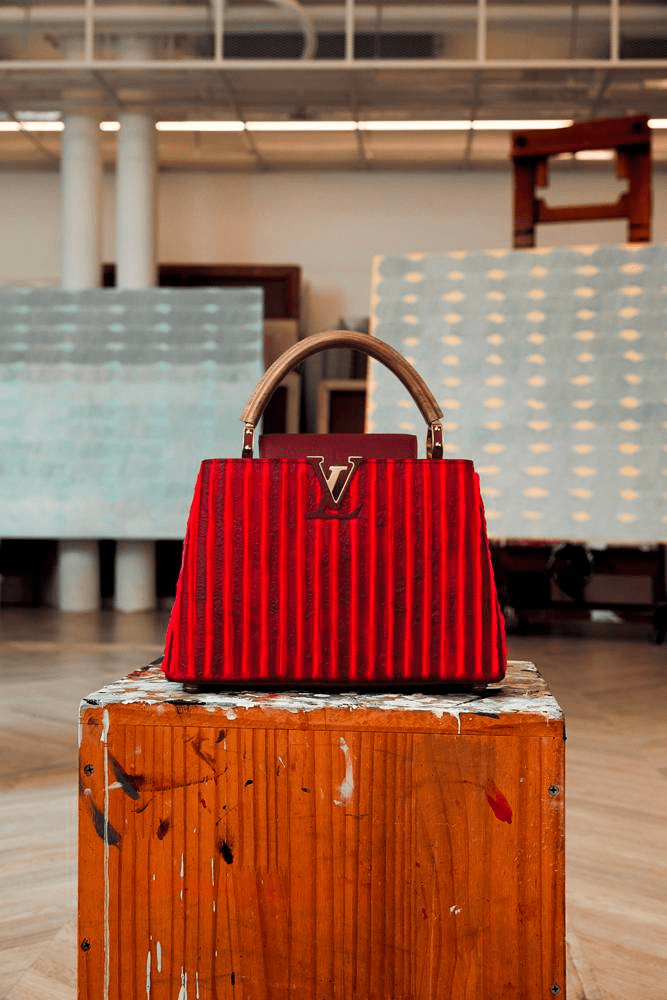
The 2024 Men’s Capsule Collection Fall, created in collaboration with artistic director Pharrell Williams, introduces a sophisticated, dandy flair to Park Seo-Bo’s distinctive aesthetic. The collection features ready-to-wear apparel, leather accessories, and colorful footwear, all carrying the mark of Vuitton’s signature craftsmanship. This project also involved a close partnership with Park’s grandson, fashion designer Jifan Park.
The collection emphasizes the fusion of Louis Vuitton’s iconic Epi leather with the minimalist yet graphically impactful paintings of Park Seo-Bo’s Écriture series, capturing the subtle texture and visual depth of the artist’s lines and colorways.
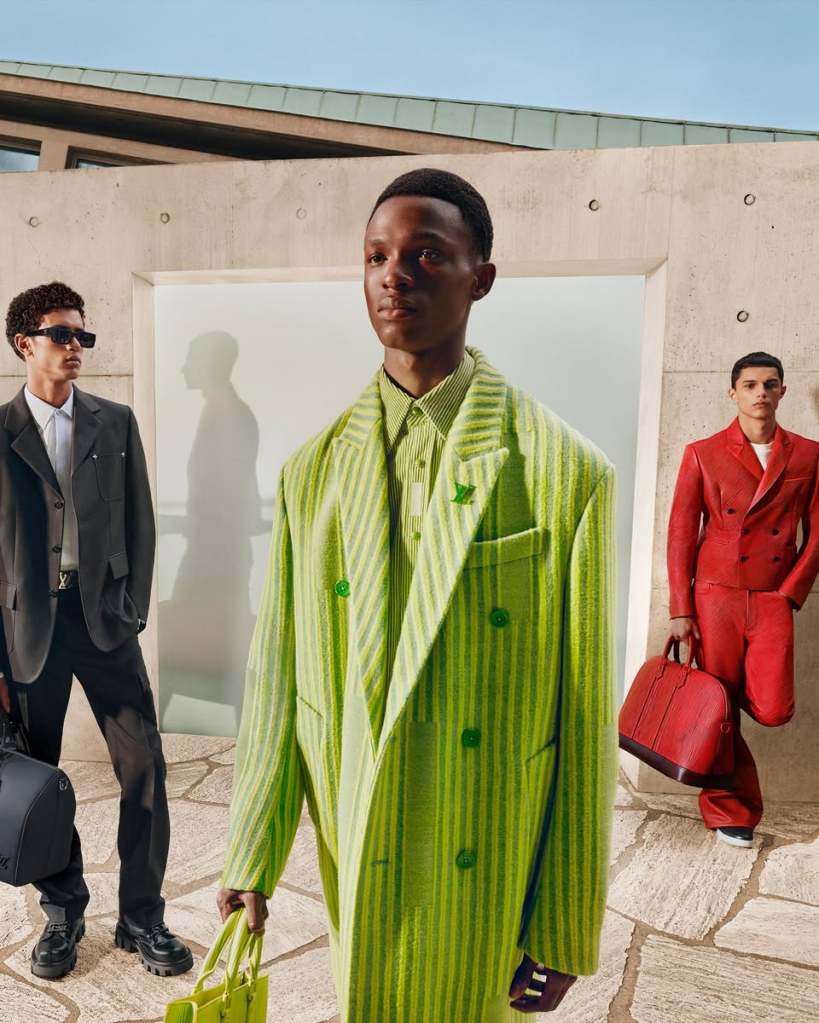
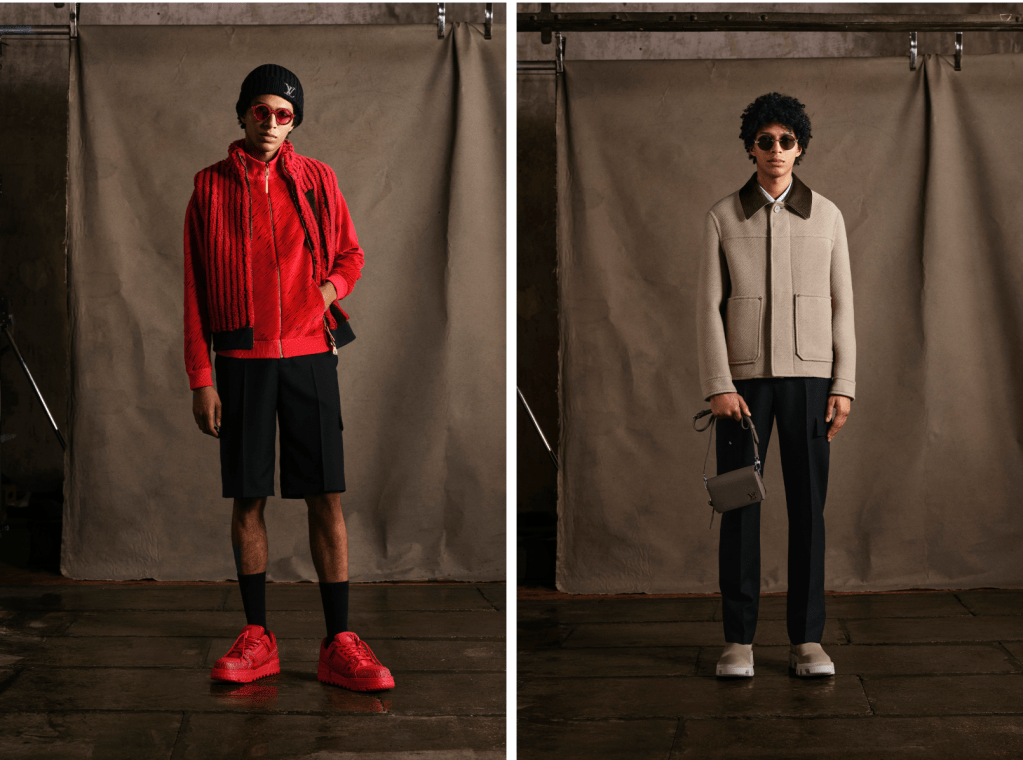
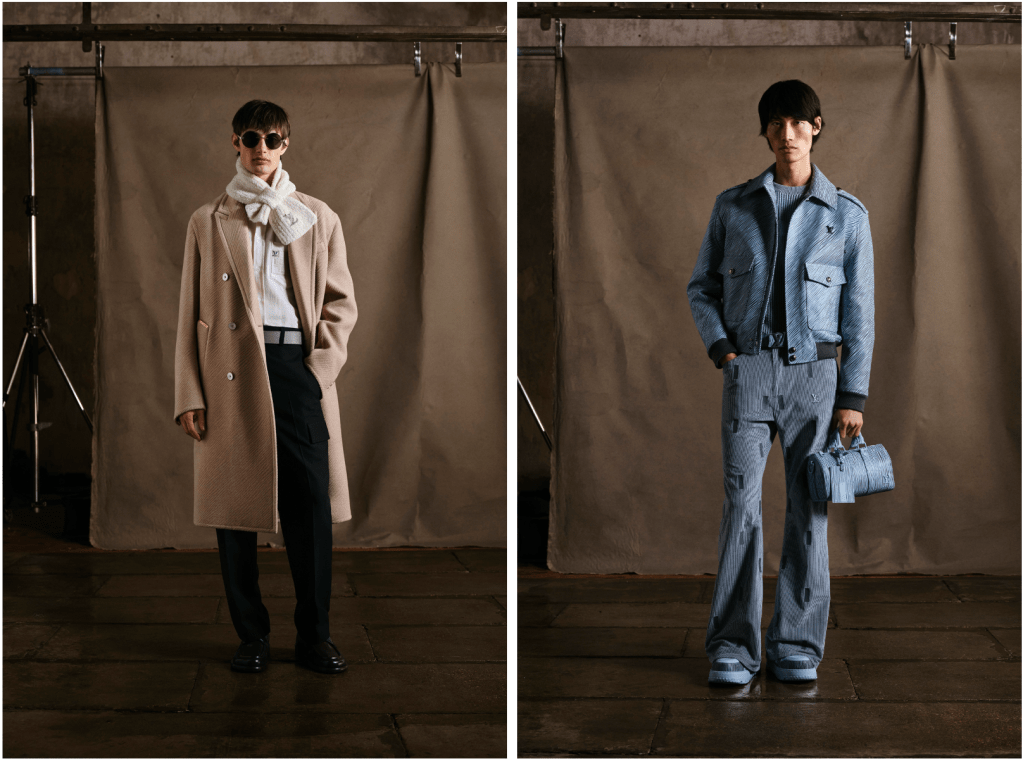
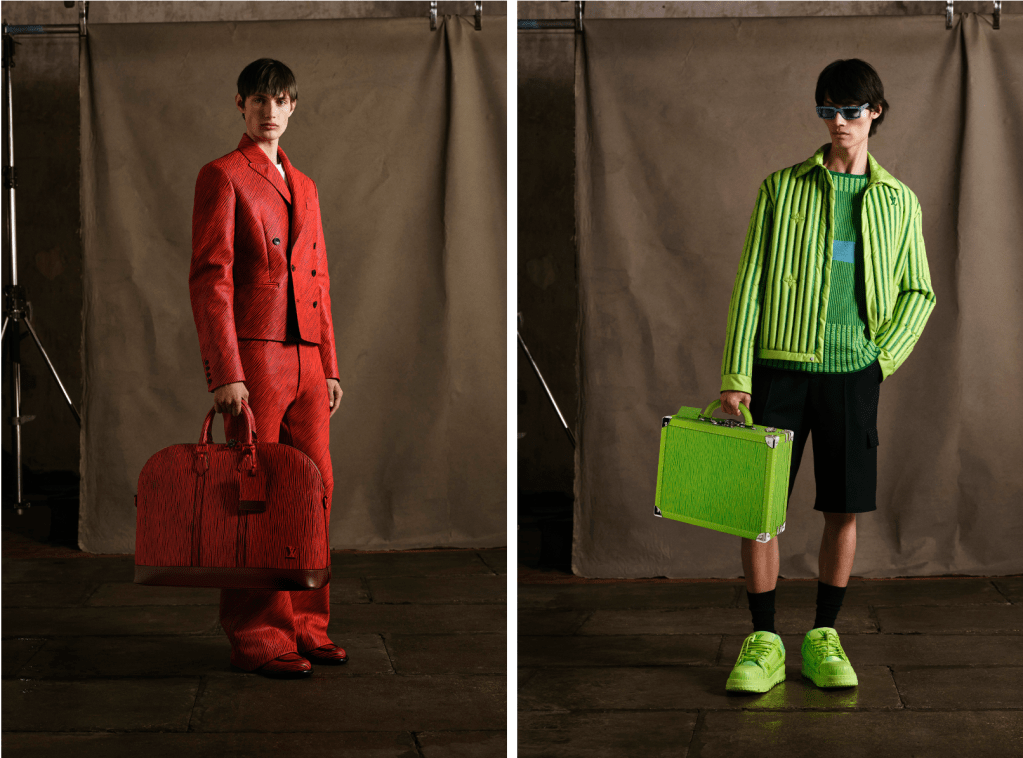
Central to the collection is the blend of Louis Vuitton’s iconic Epi leather with the minimalist yet impactful visuals of Park’s Écriture series. His signature linear patterns are integrated into the texture of the leather goods and bags, with four of his Écriture paintings translated into vibrant jacquard fabrics. The bags are lined in beige, referencing traditional Korean hanji paper.
Each piece carries a tag that cites the specific artwork that inspired it, designed to echo Park Seo-Bo’s artist signature found on the back of his canvases.
 プロテオドラ Theodora Poulot