From April 29 to July 21, 2025, the Museum of Contemporary Art Tokyo presents a major solo exhibition dedicated to Kenjiro Okazaki. It is the first large-scale retrospective in Tokyo of one of Japan’s most versatile and inventive contemporary artists.
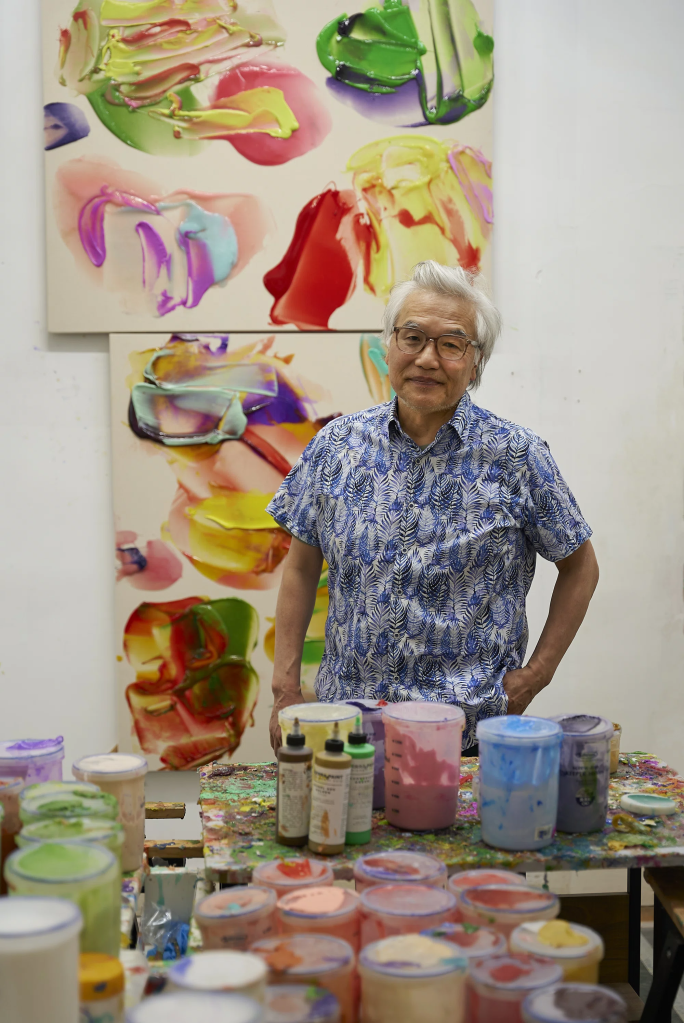
Born in Tokyo in 1955, Okazaki first gained recognition in the early 1980s with his sculptural series Akasakamitsuke. Since then, his practice has spanned a wide array of disciplines: painting, sculpture, architecture, robotics, set and costume design. Central to his work is the concept of zōkei—the act of shaping or forming—through which he continually investigates the relationship between material and form.
Okazaki’s works have been collected by major public institutions across Japan and featured in exhibitions around the world. In 2002, he represented Japan in the International Architecture Exhibition at the Venice Biennale. In early 2007, he collaborated with the choreographer Trisha Brown on the performance I Love My Robot, marking his first foray into dance.
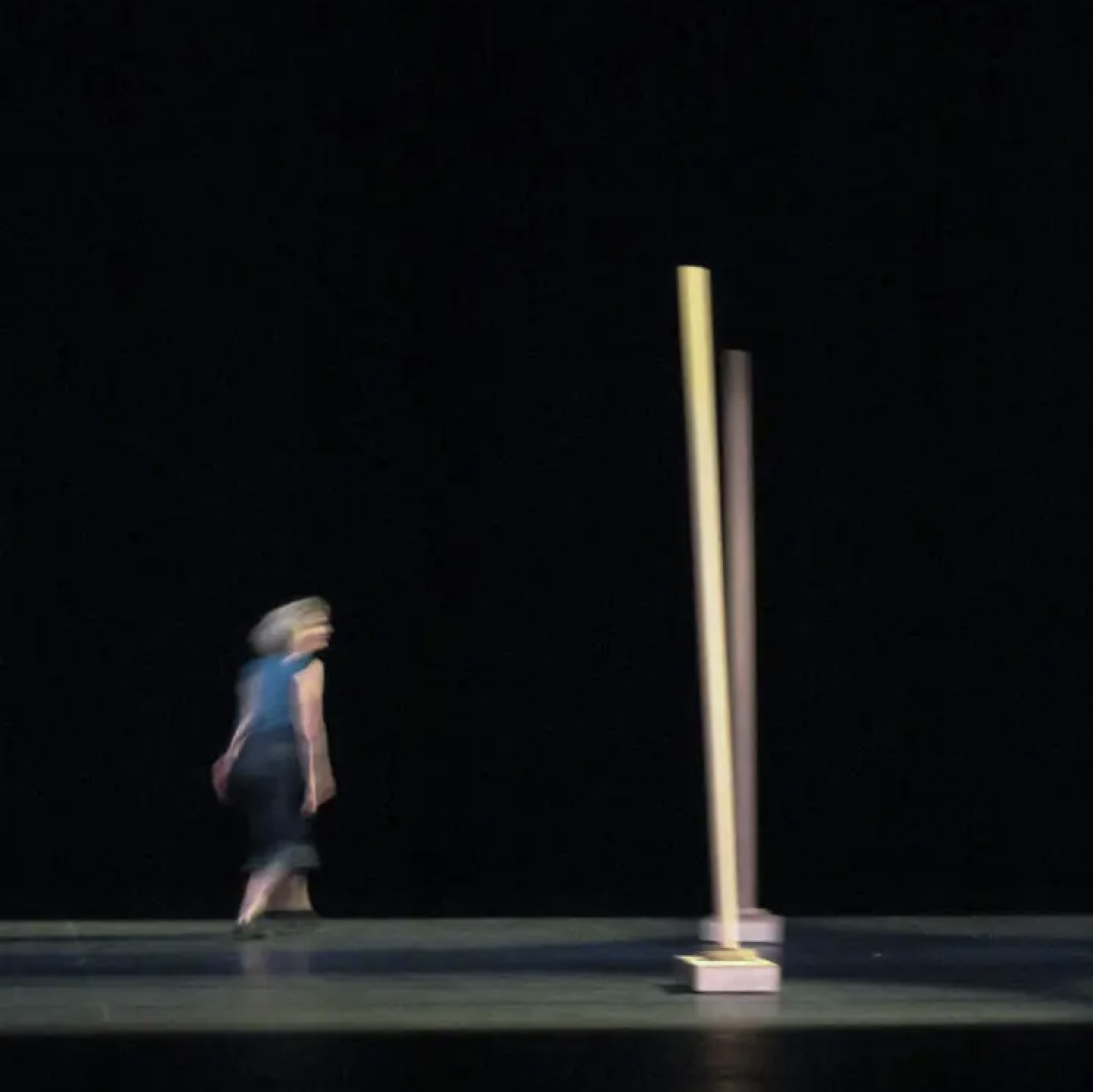
Alongside his artistic practice, Okazaki is also an accomplished critic and theorist, contributing extensively to contemporary discourse on abstraction, time, and perception through a distinctly postmodern lens.
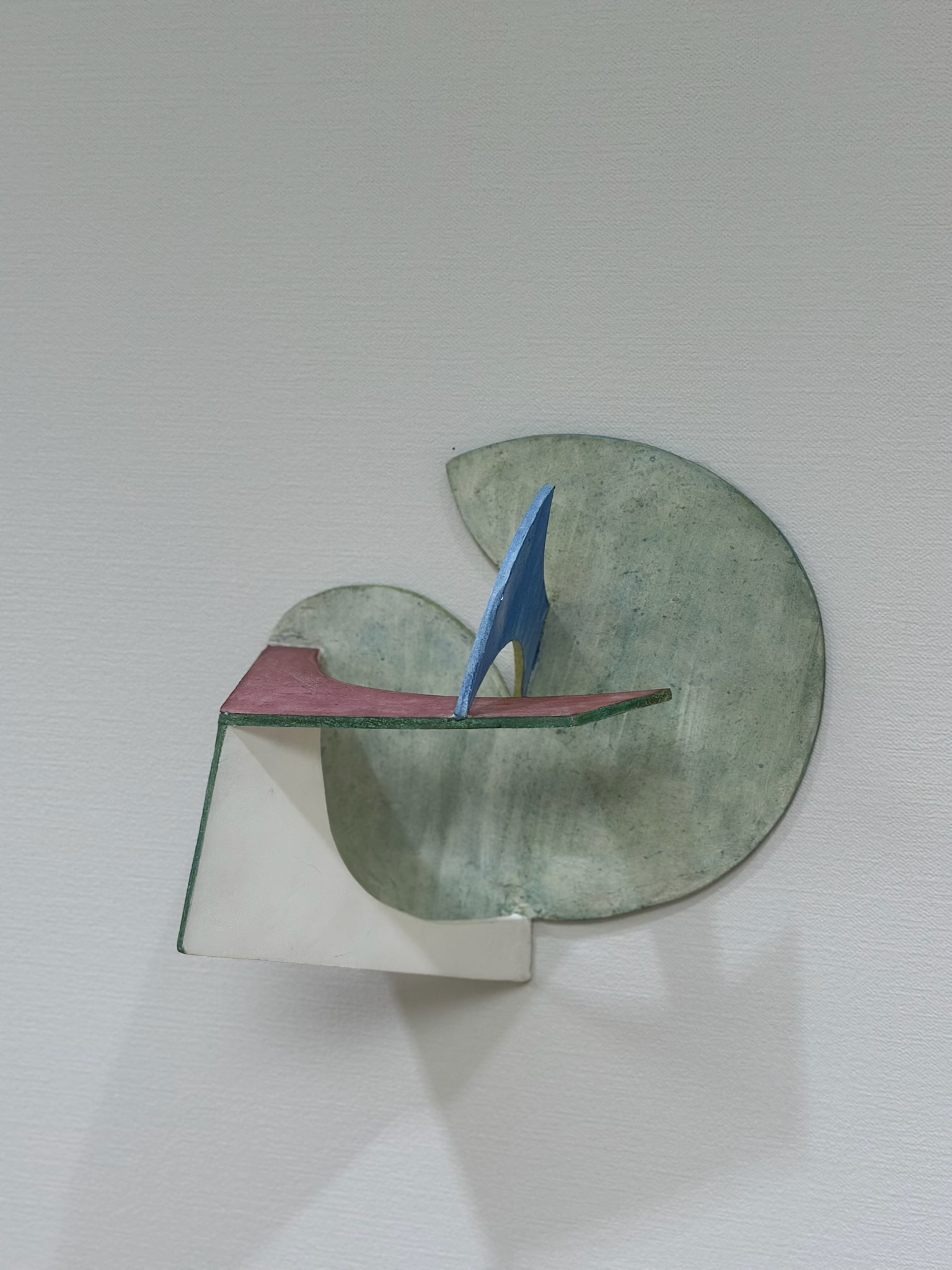
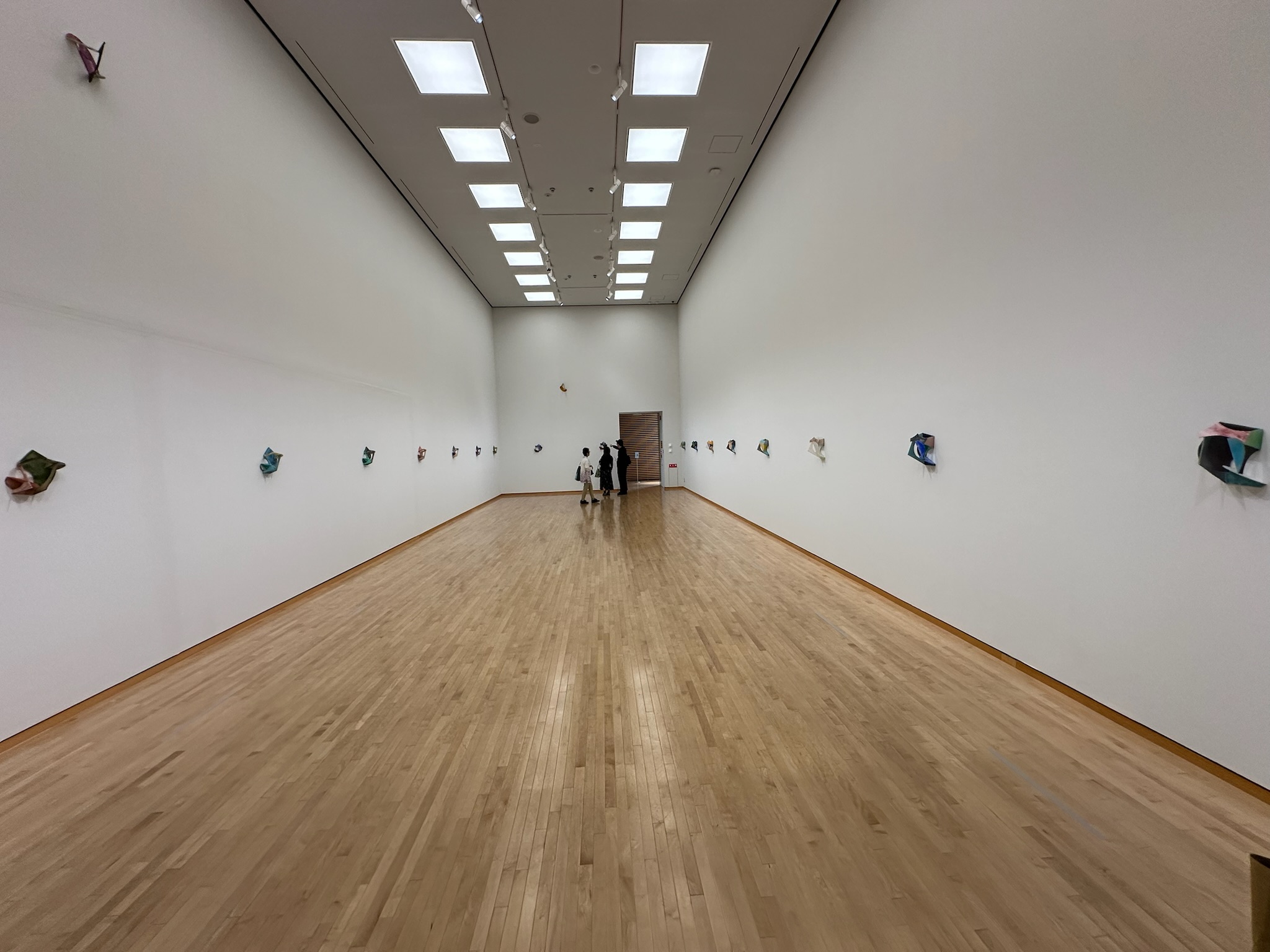
The exhibition seeks to reveal how artistic creation can serve as a method of understanding the world. It begins with Kenjiro Okazaki’s series of relief works, which first appeared as standalone pieces in 1981 before being developed into a full series between 1987 and 1989. The exhibition seeks to reveal how artistic creation can serve as a method of understanding the world.
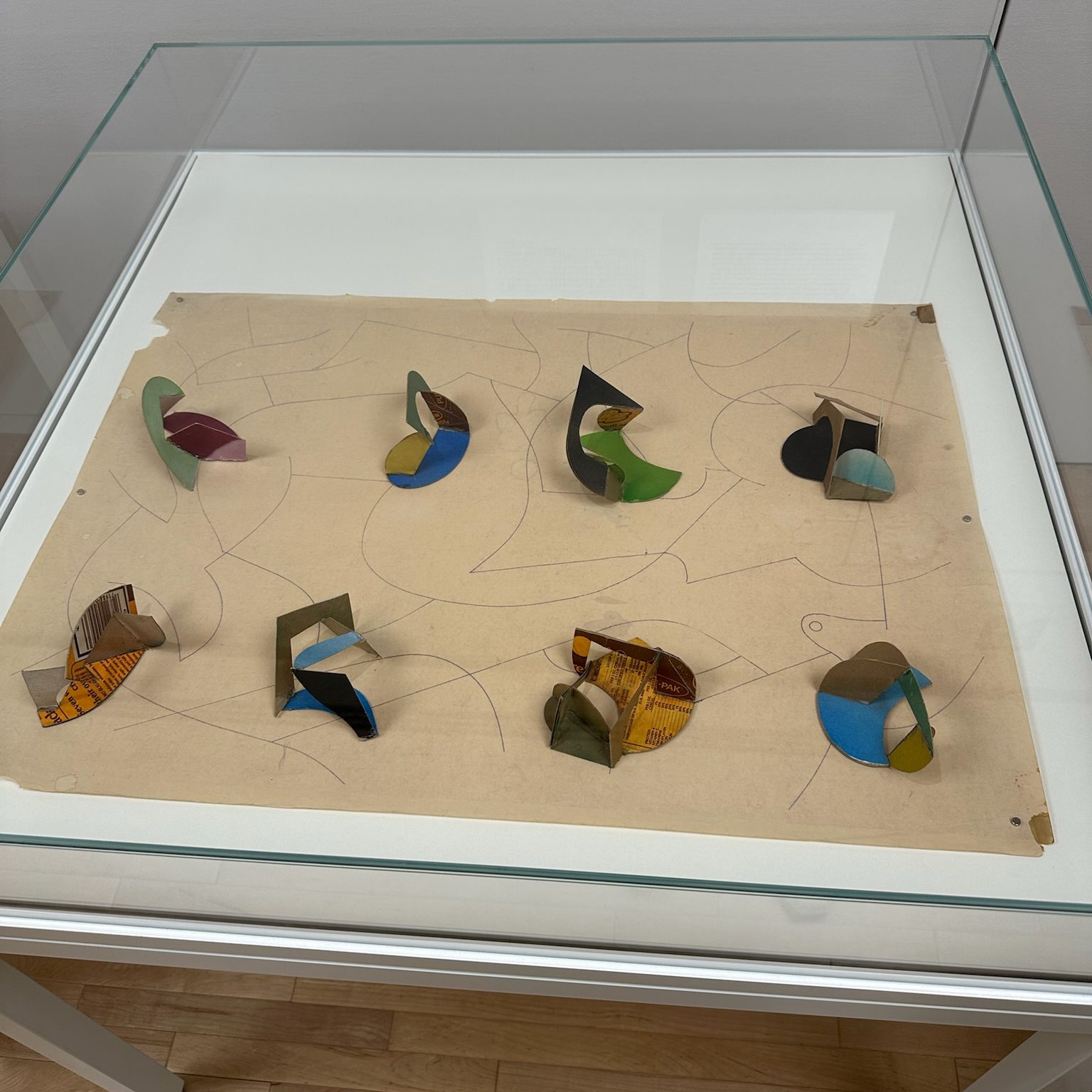
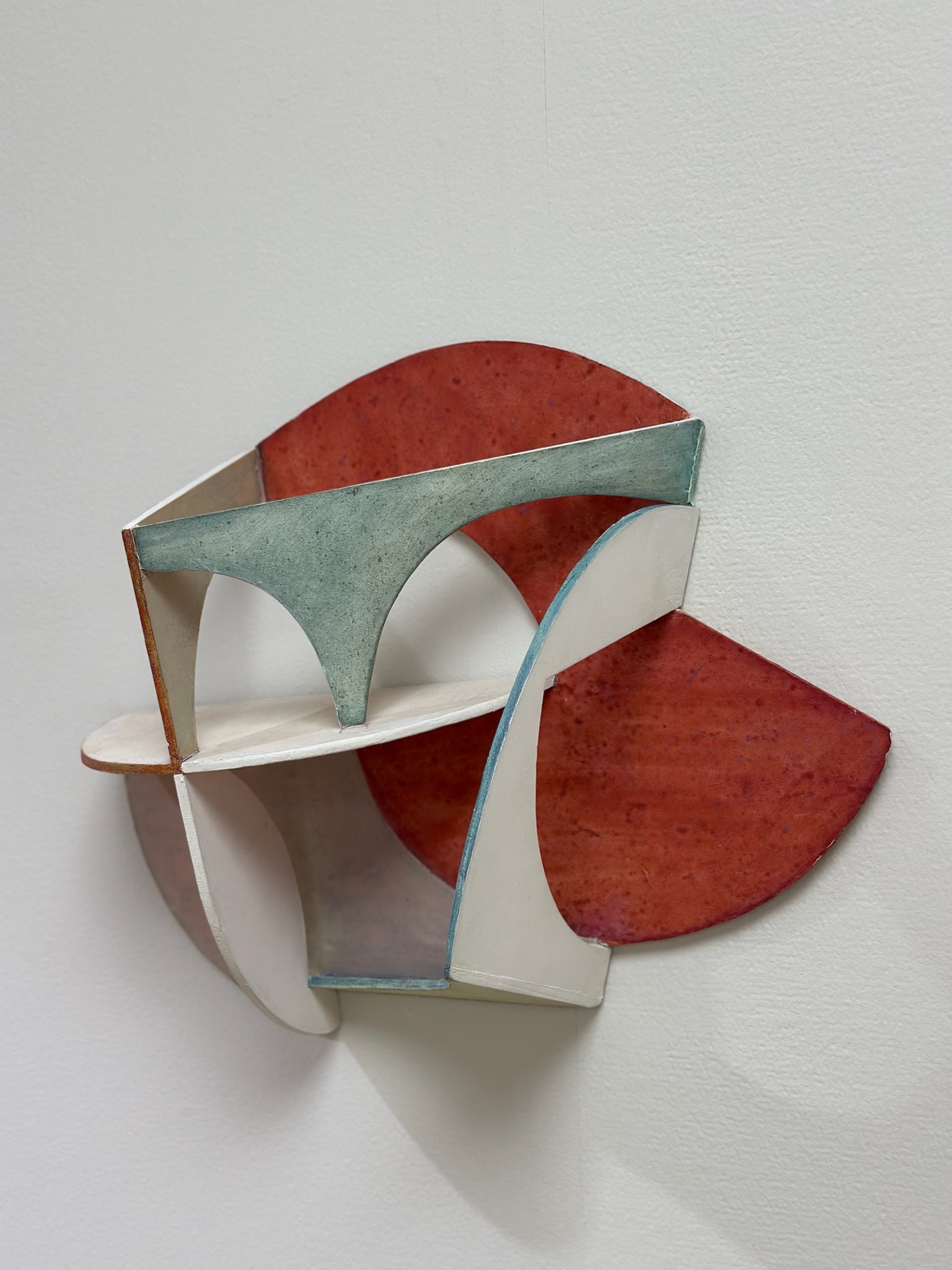
At first glance, these reliefs might seem to repeat the same shape, but each one is slightly different in both form and color. What we see gradually drifts from what we expect, creating a subtle tension between recognition and memory. Each piece feels like a glimpse of a distant place, a past moment, or a fleeting sensation. This blend of seeing and remembering runs throughout Okazaki’s work. It creates an uncanny feeling, as if far-off times and places are suddenly unfolding together, right here in the present.
Around 2015, Okazaki began producing large-scale paintings composed of multiple interconnected panels joined together to form a single composition, yet each retains its own autonomy. Brushstrokes often extend across non-adjacent panels through mirrored inversions, forging connections between distant elements and giving rise to new spatial experiences with every viewing.
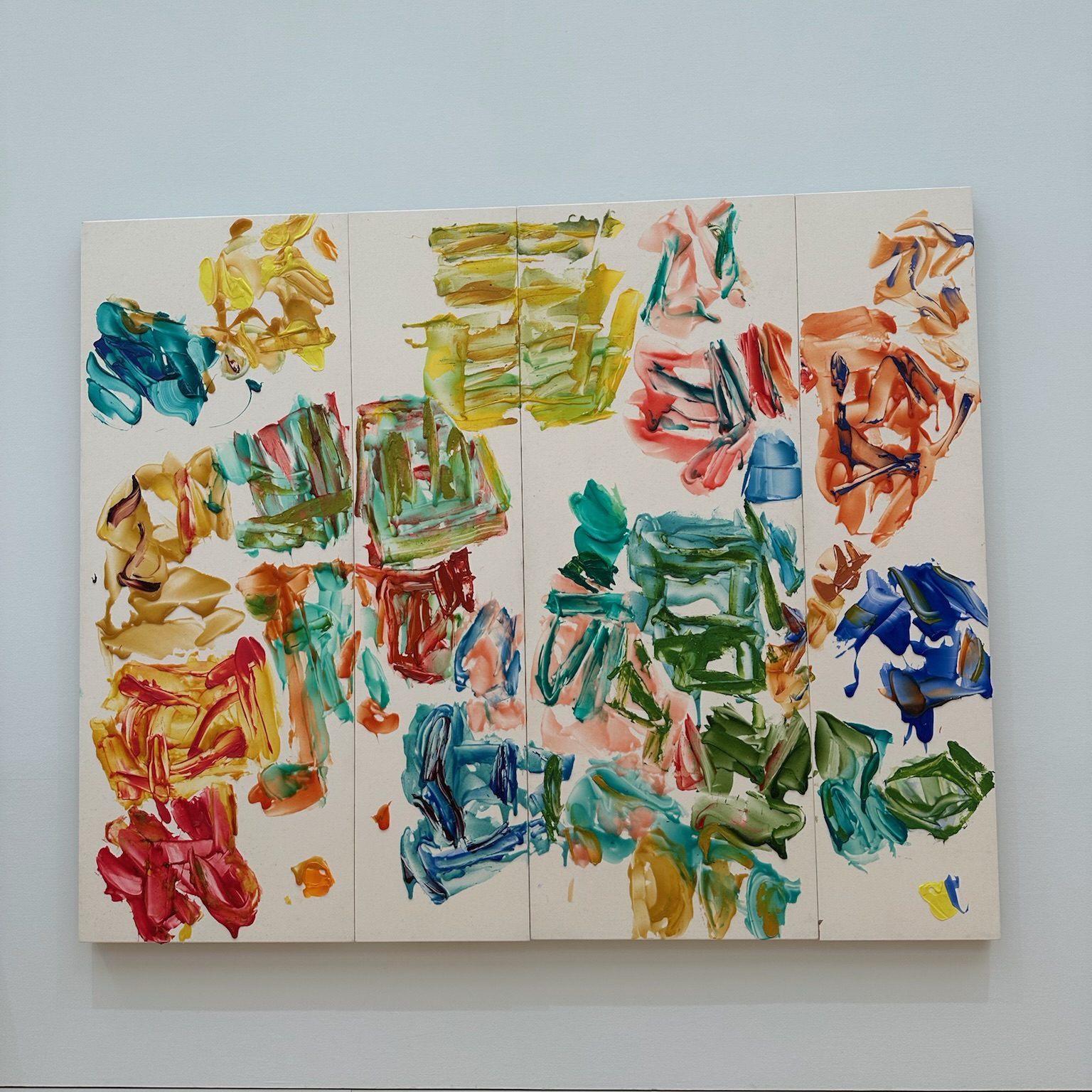
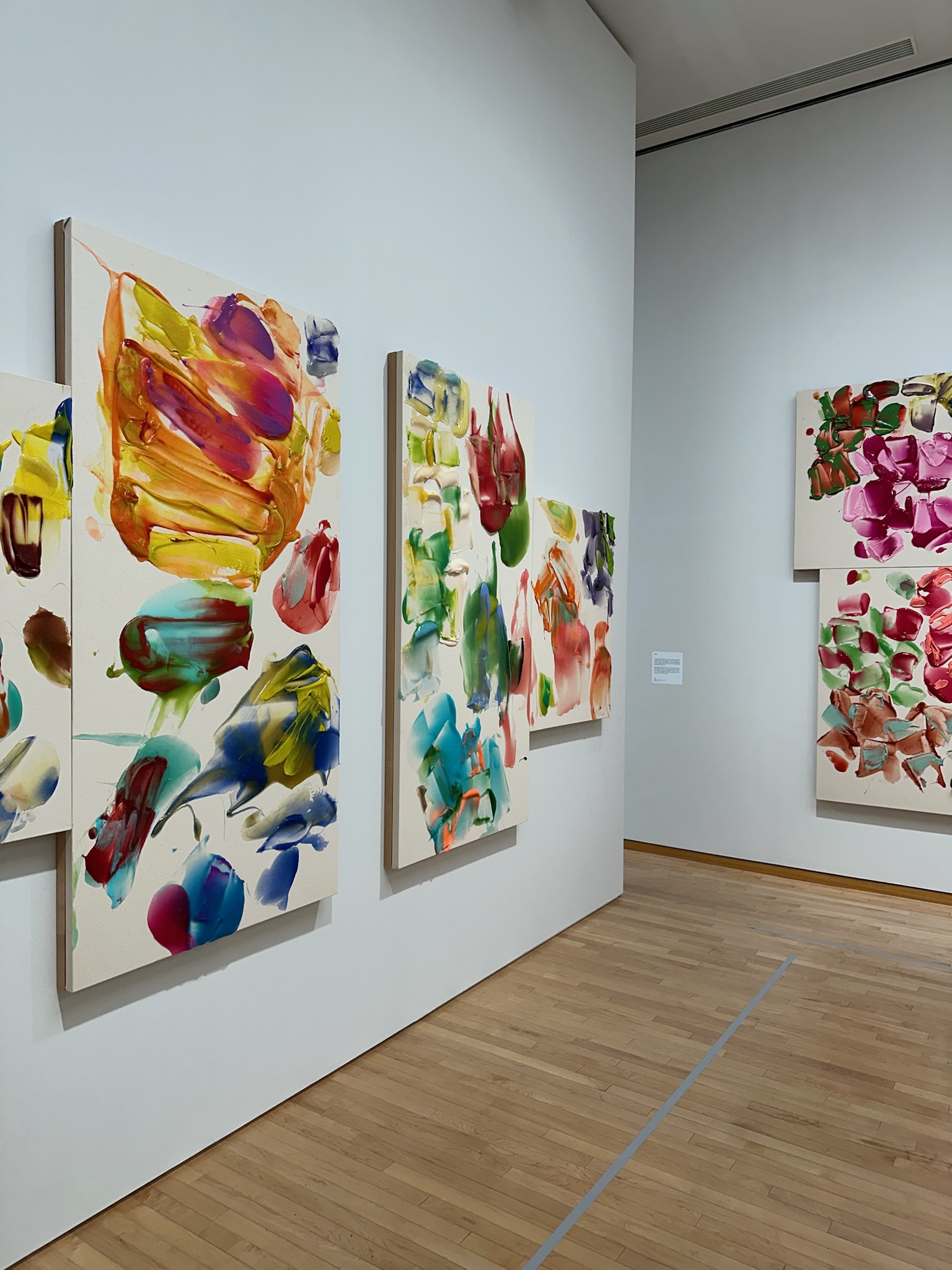
The paint is rich and tactile, made from blends of acrylics, gels, and pastel pigments. Applied in thick, layered strokes, almost like gel. It creates a textured surface that glows with translucent color.
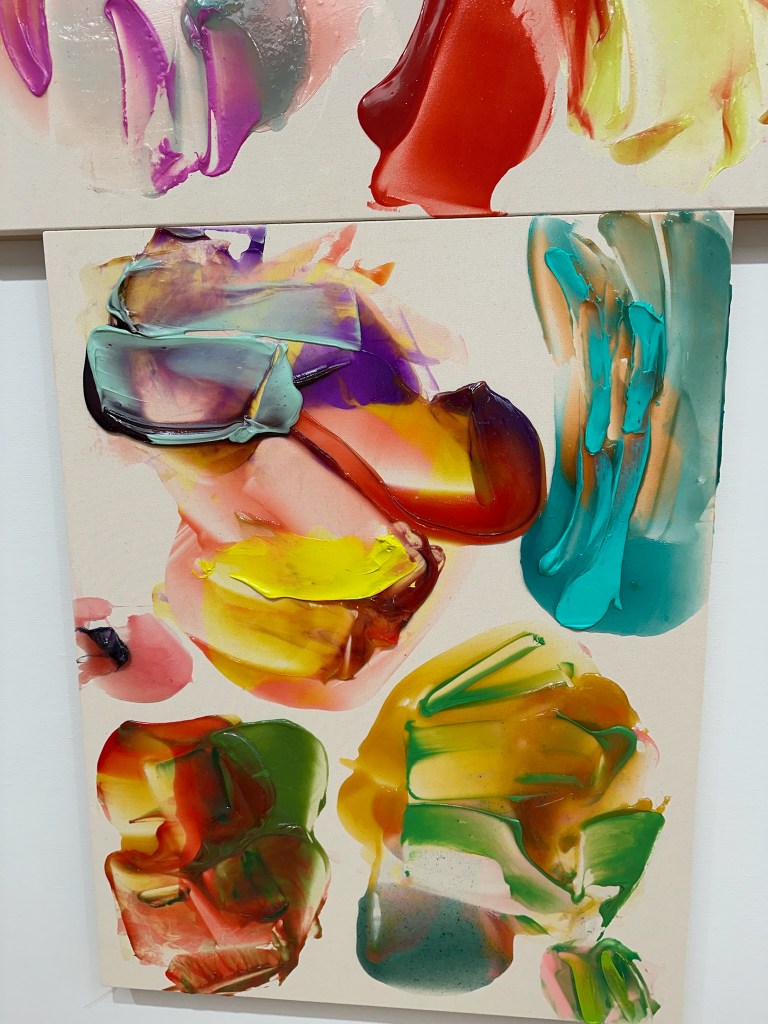
The forms seem to hover against stark white backgrounds, their presence at once bold and elusive. Each mark reads like a gesture or a sign, echoing the look of ideograms brushed onto paper.
Okazaki challenges the traditional boundaries between painting and writing, crafting compositions that read like a visual language: each element engaged in dialogue with the others. Like a script, his works speak to the viewer, inviting reflection and raising questions about how we perceive the world—a world he sees as perpetually shifting, unstable, and in turmoil.
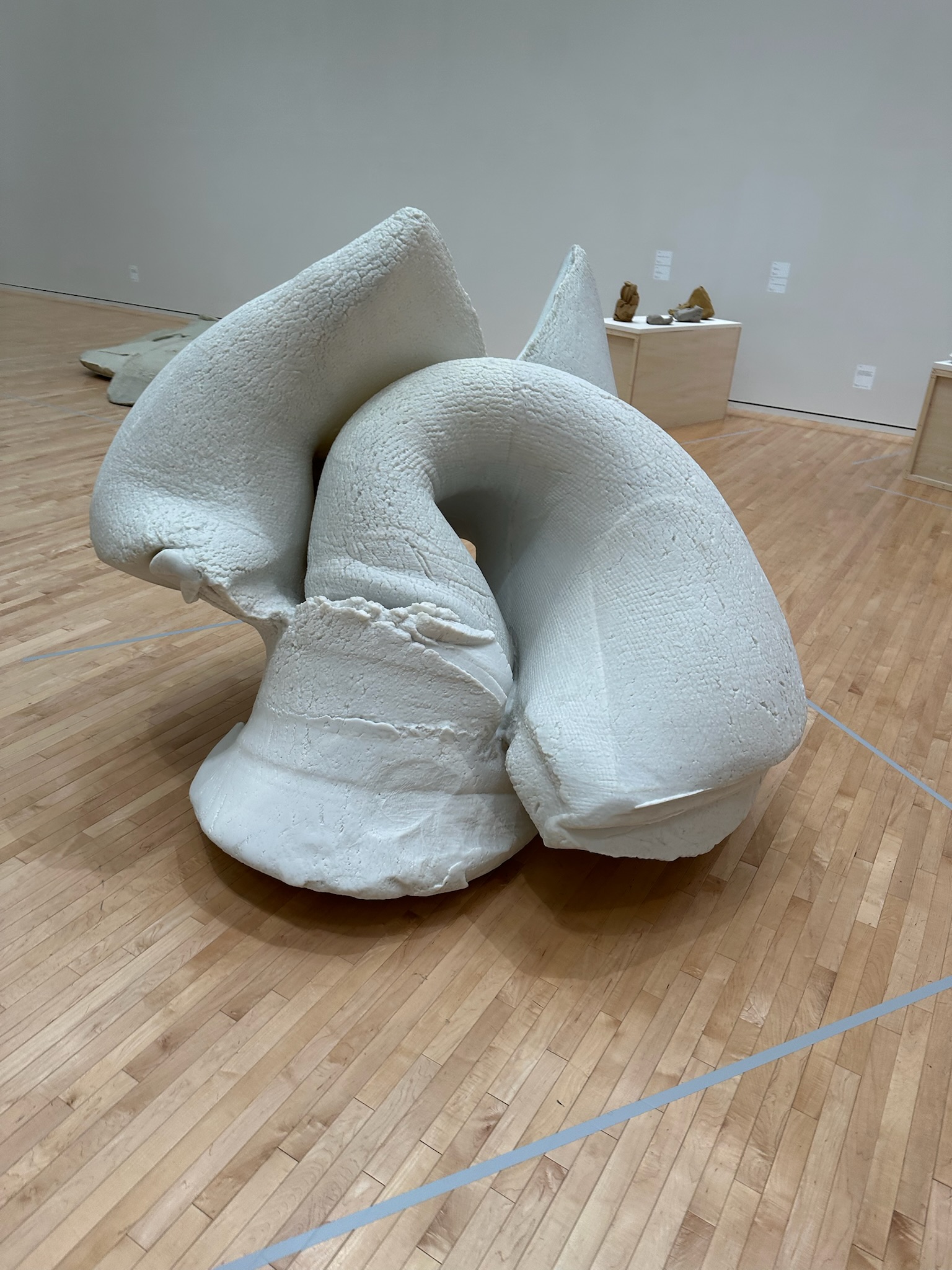
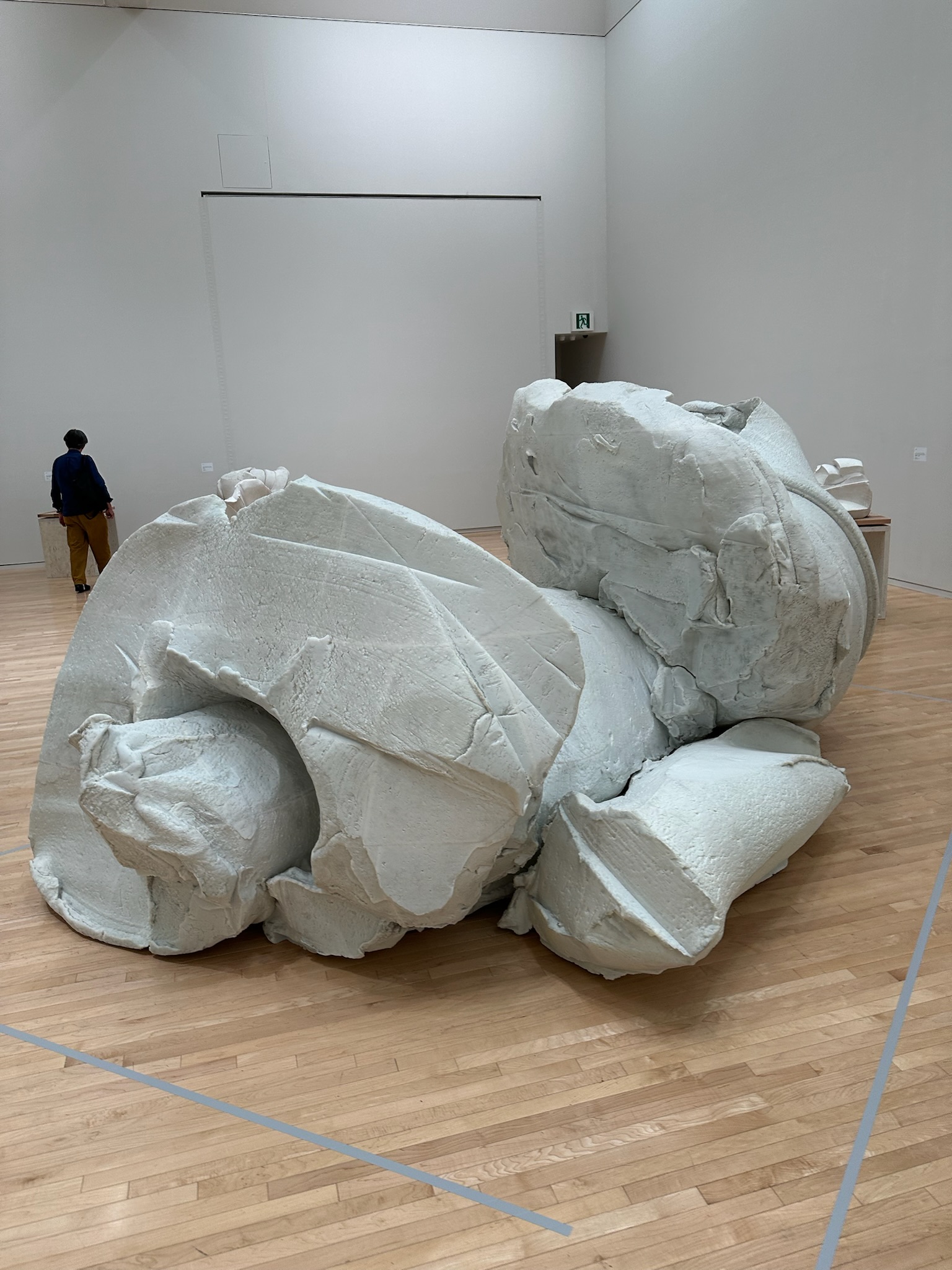
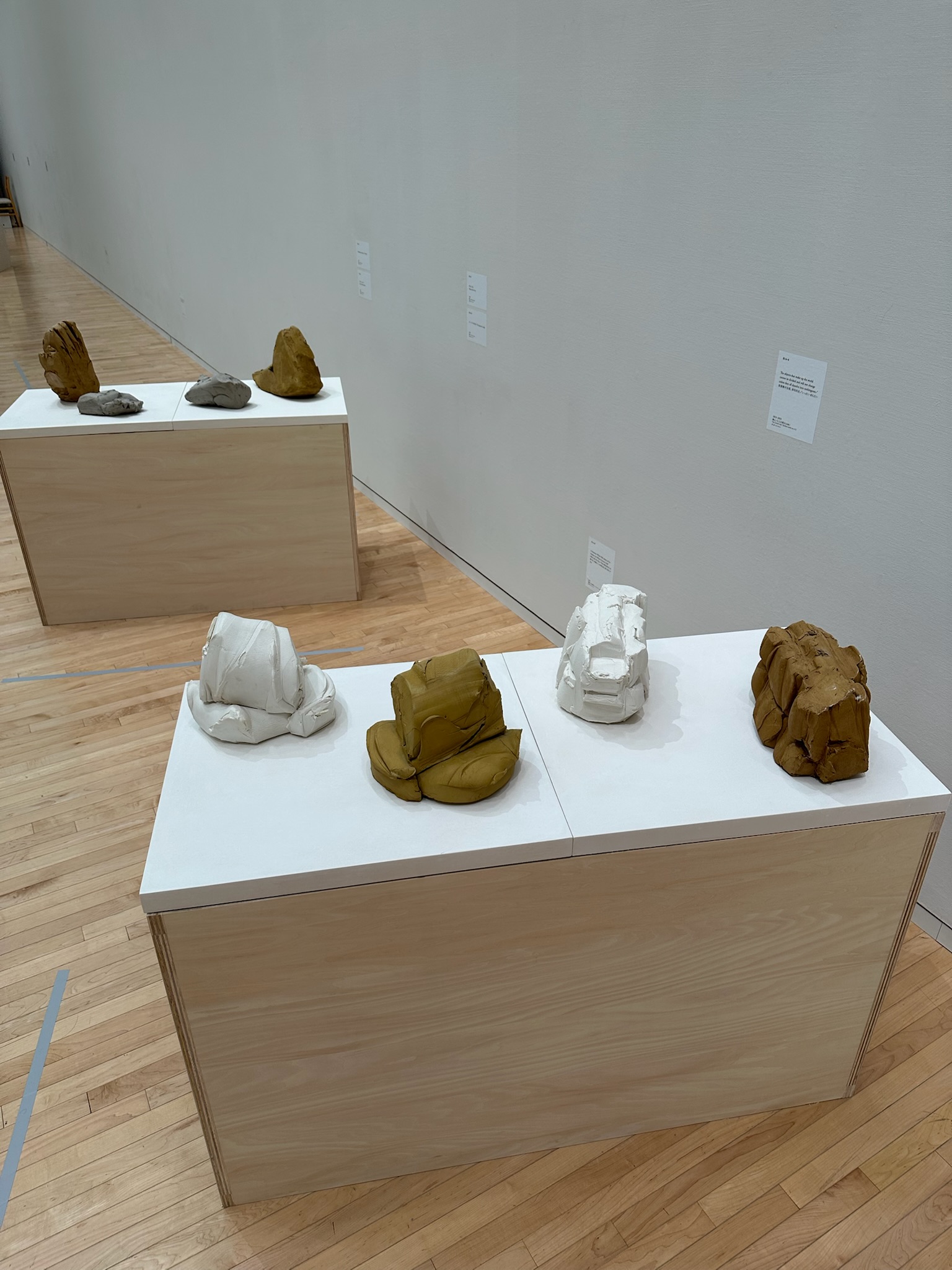
Other recent major exhibitions include Retrospective Strata at the Toyota Municipal Museum of Art in Aichi (2019) and TOPICA PICTUS at the National Museum of Modern Art in Tokyo (2020). In 2024, Okazaki’s work was featured in Form at Now and Later 形而の而今而後 at Pace Gallery in Seoul, and This Must Be the Place at Benesse House Museum on Naoshima Island.
 プロテオドラ Theodora Poulot