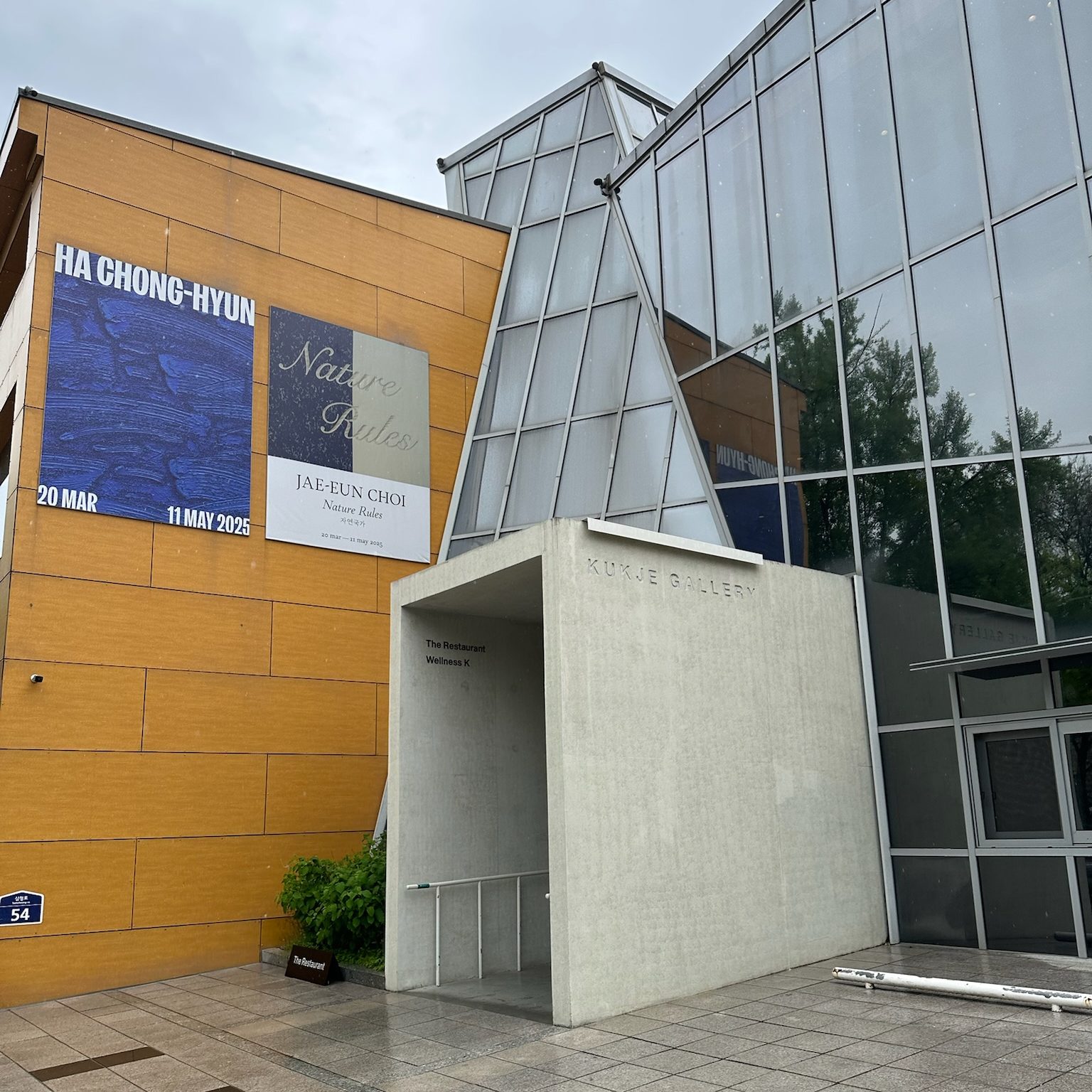
Born in 1935 in Sancheong, Korea, Ha Chong-Hyun graduated with a B.A. in Painting from Hongik University, Seoul, in 1959. He began exhibiting in Korea and Japan soon after, eventually becoming a leading figure of Dansaekhwa, the Korean monochrome painting movement that emerged in the 1970s. He has since exhibited widely, with major solo and group shows at leading institutions including the Venice, Gwangju, São Paulo, and Busan Biennales, as well as the Guggenheim Museum, the Art Institute of Chicago, the Hammer Museum, and the National Museum of Contemporary Art, Korea.
This exhibition, titled Ha Chong-Hyun, features 30 works created between 2009 and the present, offering a focused look at the artist’s enduring exploration of material and technique. At the heart of the show is his landmark Conjunction series, which Ha began in the early 1970s and continues to develop today. These works are characterized by his distinctive bae-ap-bub (背押法, or “back pressure method”), in which oil paint is pushed from the back to the front of coarse burlap canvas. The result is a textured, tactile surface that evokes not only formal innovation but also the historical scars and resilience of post-war Korea.
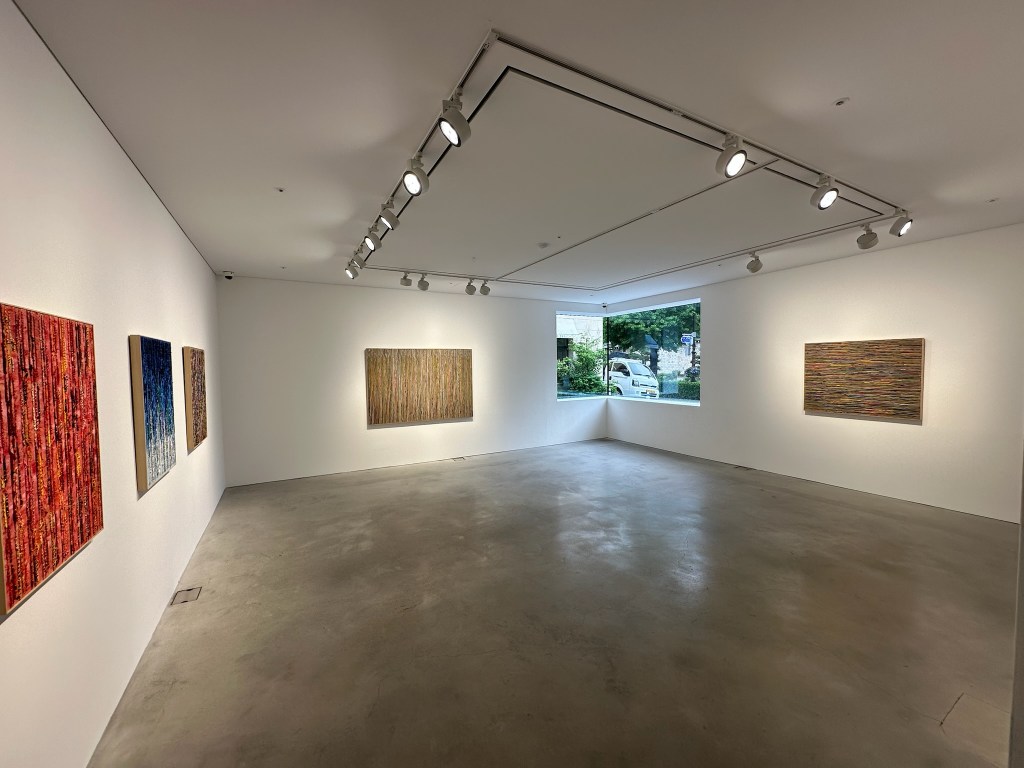
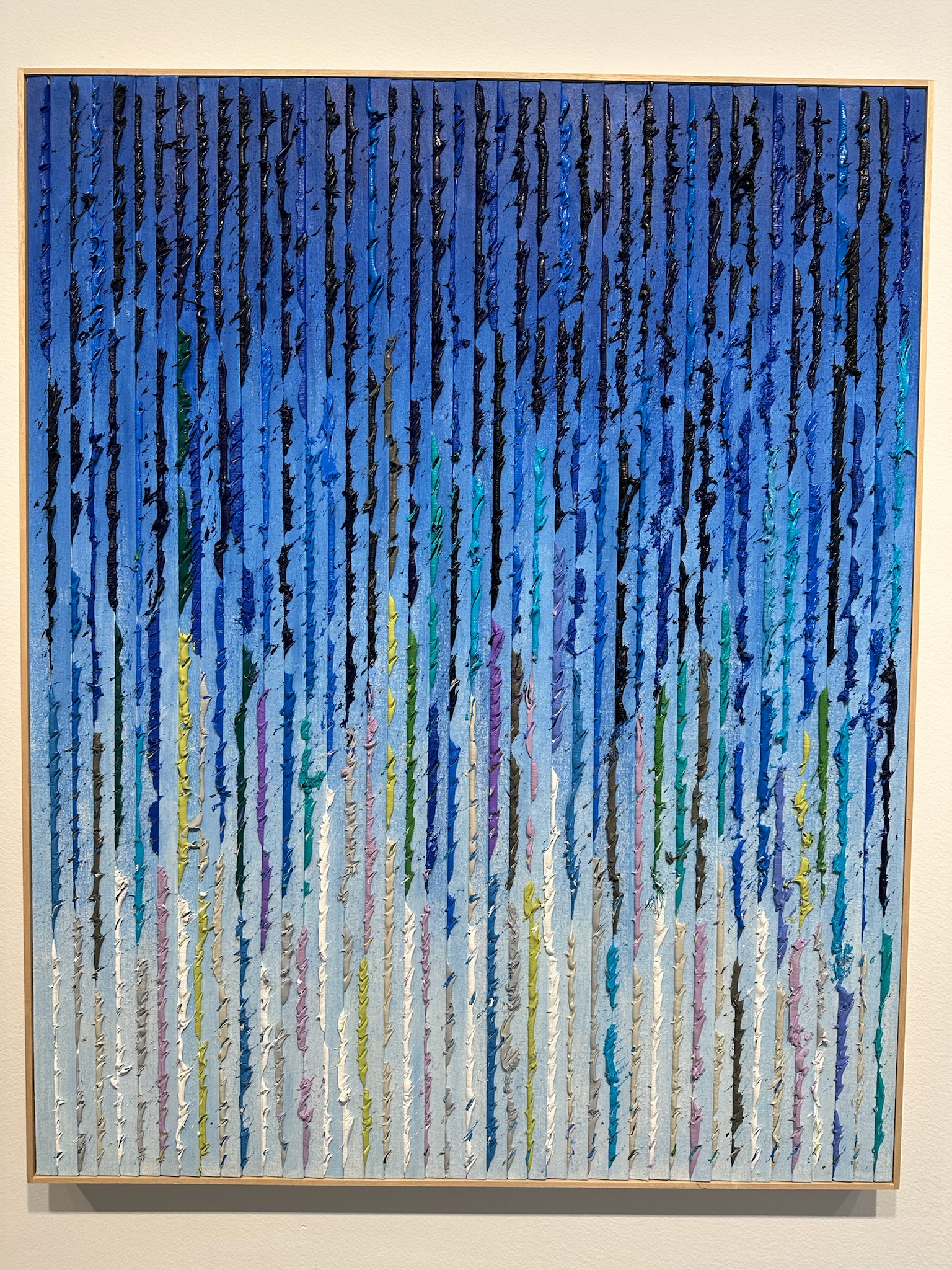
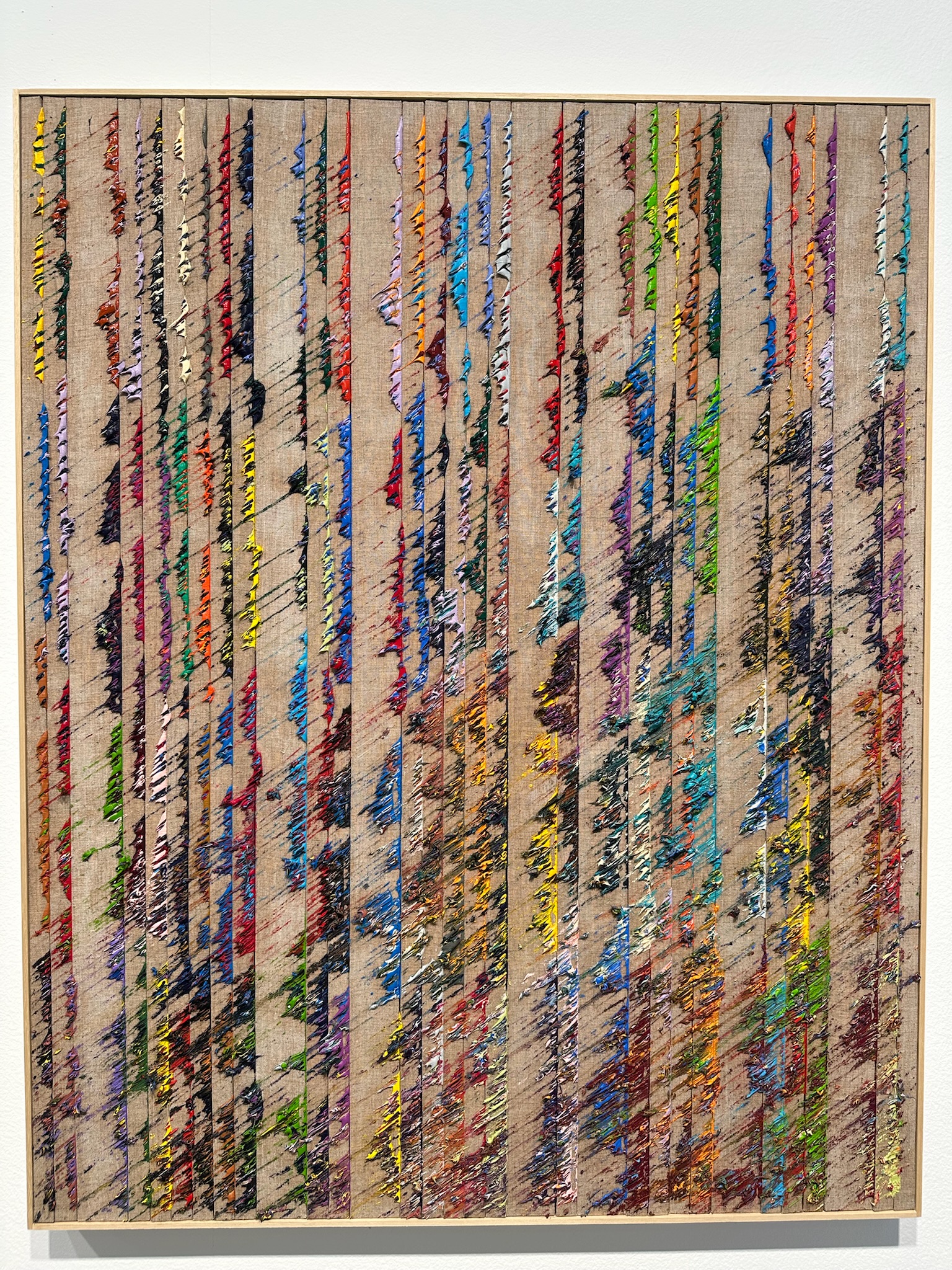
Ha’s use of humble materials such as hemp cloth—commonly used for storing grain—along with flour and barbed wire, was deeply informed by the economic and political realities of the time.
As noted by Japanese critic Nakahara Yusuke, unlike many contemporary abstract works that emphasize flatness, Ha’s paintings project outward, extending space perpendicularly from the plane of the canvas.
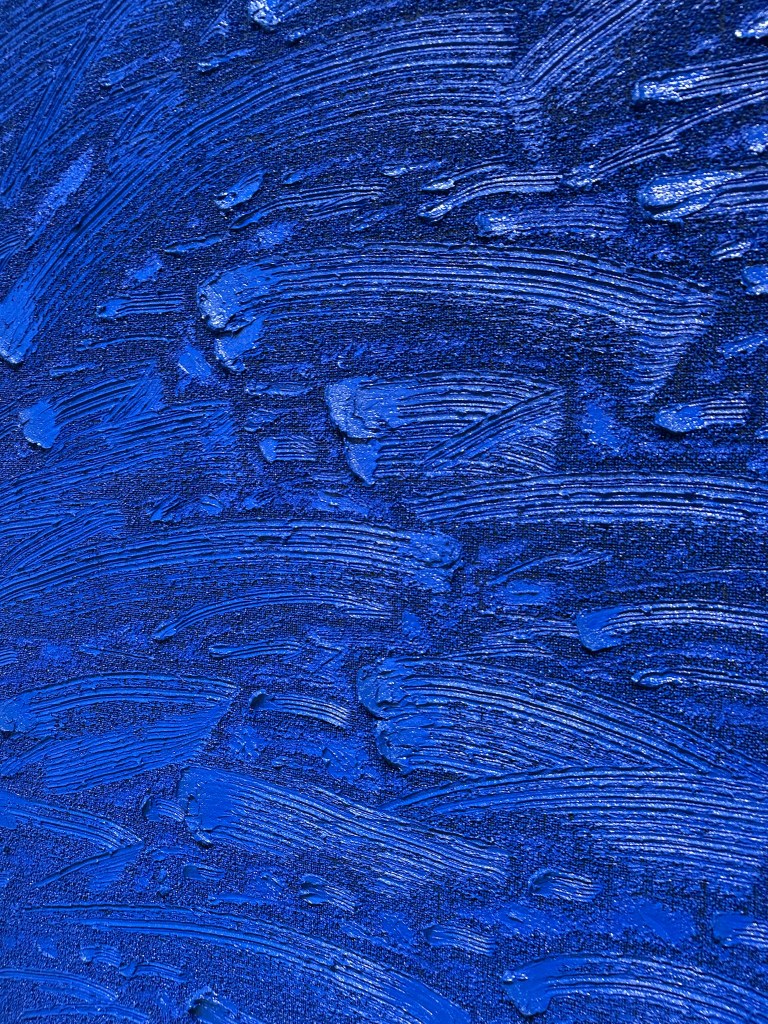

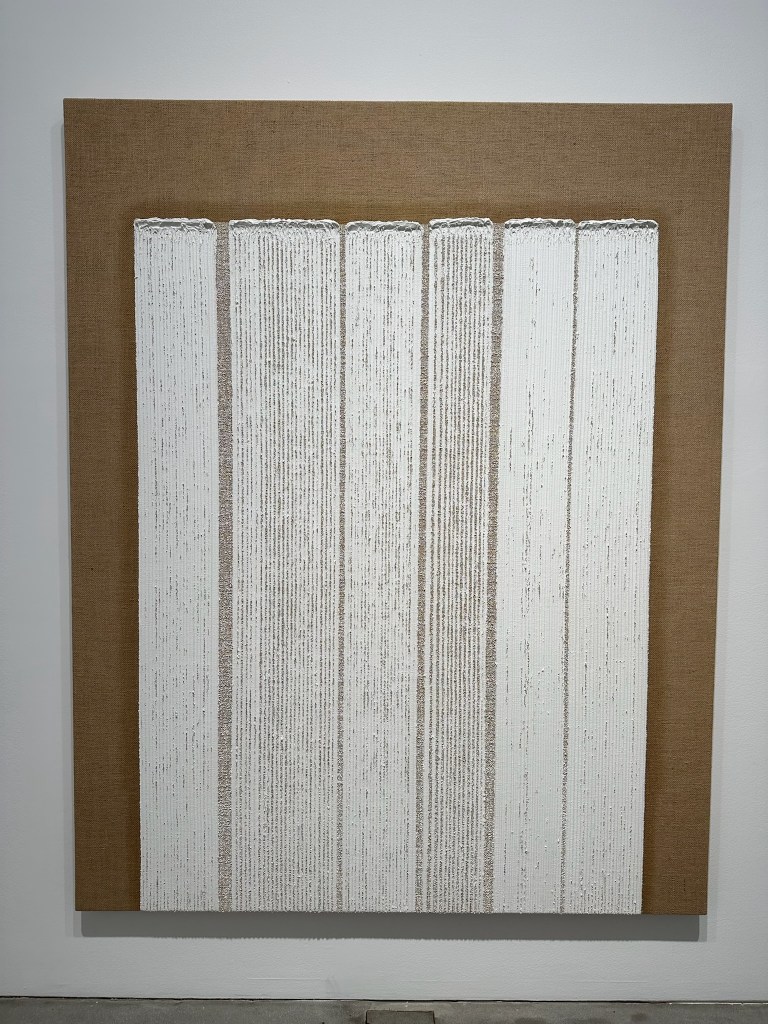
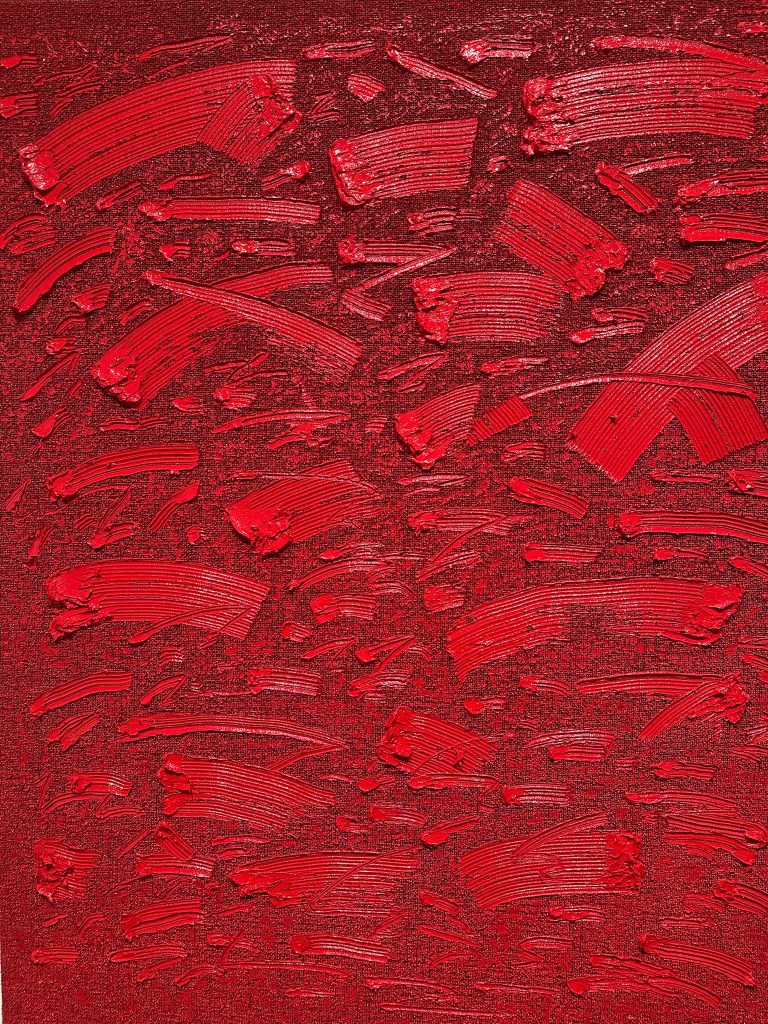
The exhibition also includes works from Ha’s Post-Conjunction series, begun in 2008, where he shifts to a darker, more vivid palette. Using a technique of pressing oil paint between canvas-wrapped wooden slats and scoring the surface with a handmade tool, Ha continues his exploration of texture and gesture. Moving beyond the muted tones of traditional Korean objects, these works adopt brighter, everyday colors, reflecting a move toward a more direct and universal visual language.
 プロテオドラ Theodora Poulot