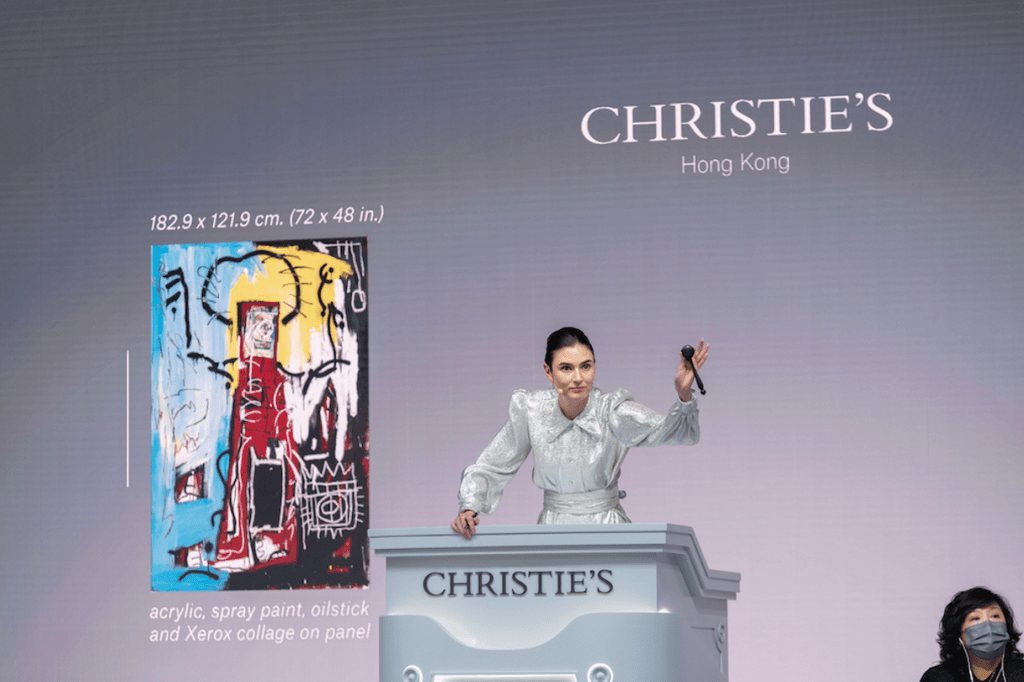
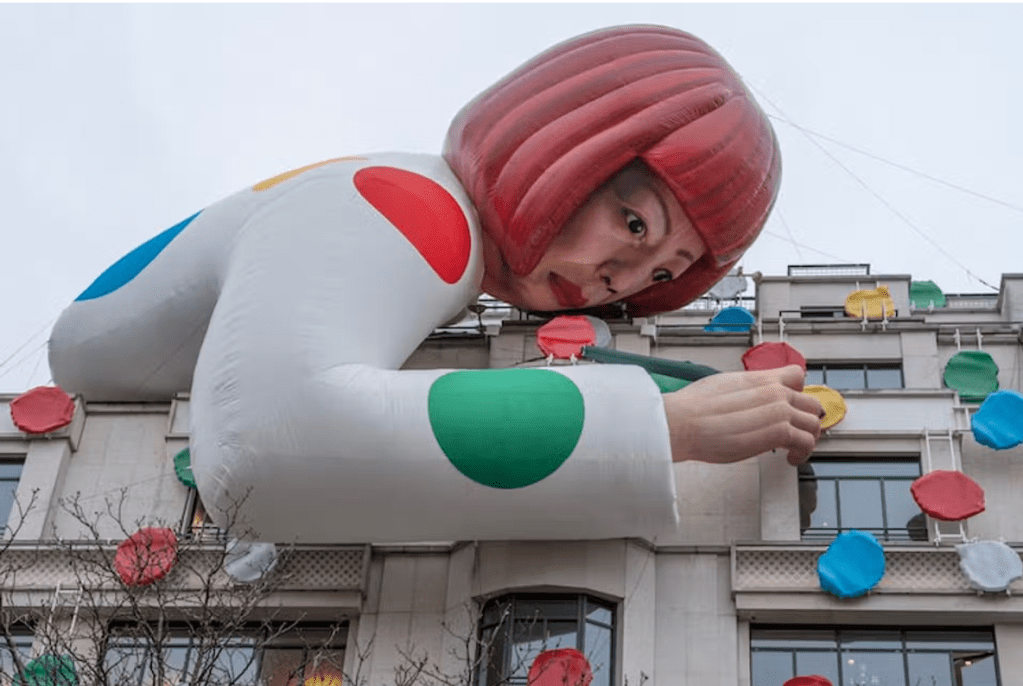
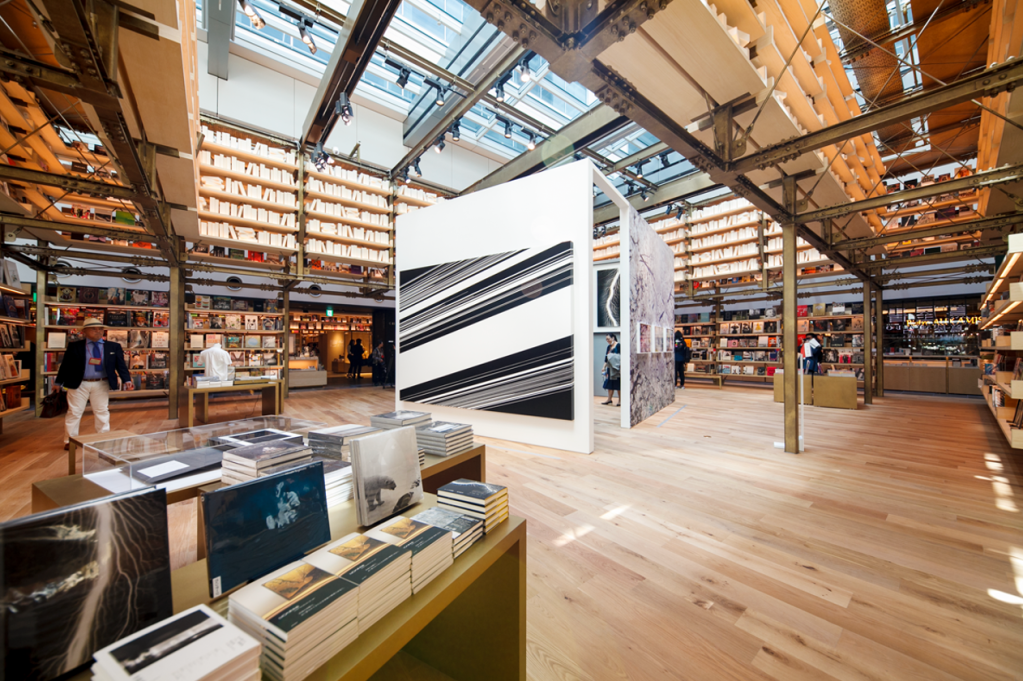
Mega-galleries have become the dominant infrastructure of the global art market, reshaping how artists, collectors, and institutions operate. With branches across continents, ever-expanding artist rosters, and financial power few can rival, mega-galleries function through an almost hegemonic model, and their presence in a city often defines a “successful” contemporary art ecosystem, one driven by wealth, investment, and brand names. Critics argue that, since the burst of the economic bubble in the 1980s, Japan is no more one of the “thriving” art markets. But such readings rely on the Eurocentric and hegemonic assumption that a “successful” art market should follow a single template, where global fairs, mega-galleries, or prominent auction houses each compete at the top for the highest financial turnout. With Hauser & Wirth’s recent opening in Sicily, which is far from being an art hub, it becomes all the more interesting to wonder why the mega-gallery model has (yet) failed to truly take root in Japan, despite its cultural and wealth density.
The central question of this essay thus arises: How compatible is the Western mega-gallery model with Japan’s contemporary art ecosystem? As straightforward as the question may be, it has never been asked. Rather than viewing the Japanese art market as “falling behind,” I propose examining it from its own cultural and economic logic. Doing so reveals that Japan has, in many ways, resisted or stepped outside the global mega-gallery system, developing alternative structures that do not align with the dominant, commercially-driven Western model. Although the recent arrivals of Perrotin and Pace in Tokyo suggest a possible shift, these remain isolated and fresh cases. Understanding why they came, and why so few, requires analysing the political, economic and cultural conditions that shape Japan’s art ecosystem.
To understand why the mega-gallery model has struggled to take root in Japan, it is necessary to examine how its modern art system was built. Most of Japan’s institutional framework, from its museums, academies, to the very definitions of what “art” is, was shaped during the Meiji era (1868-1912), when Japan rapidly imported Western models to gain international legitimacy following centuries of isolation. The period ushered in new state-created Western-style museums, French-style salon exhibitions and art schools to “correct” perceived deficiencies in Japanese art for it to match European academies.
A commercial market for contemporary art did not emerge until the late 1980s. In Tokyo, the field was dominated by kashi garō, or rental galleries, where artists rented a space, installed their shows, and managed sales themselves. They offered no representation, no curatorial support and no career development, unlike Western dealer galleries. Only a few exceptions, such as Gallery Nichido (1928) or Tokyo Gallery (1950) operated closer to a Western model, but even they invested little in emerging artists.
 プロテオドラ Theodora Poulot